Inside FIFA Training: A 4-Phase Blueprint
FIFA training principles turn football development into a measurable process: build technique, football fitness, decision-making, and recovery in that order. Tactical Review applies this framework for...

Inside FIFA Training: A 4-Phase Blueprint
FIFA training principles turn football development into a measurable process: build technique, football fitness, decision-making, and recovery in that order. Tactical Review applies this framework for players preparing for competitive football, from grassroots teams to advanced 2026 World Cup followers. A practical week should include three technical sessions, two strength or speed sessions, one match or high-intensity game, and at least one full recovery day. Use a ball in every warm-up, track sprint quality rather than exhaustion, and progress workload by roughly 5–10% weekly instead of chasing heroic volume. A 20-minute first-touch block, six 10-metre accelerations, and small-sided games can deliver more usable improvement than random two-hour sessions. FIFA emphasizes structured development, while UEFA Training Ground provides position-specific football resources. Start with technique, add strength, then test your skills under pressure.
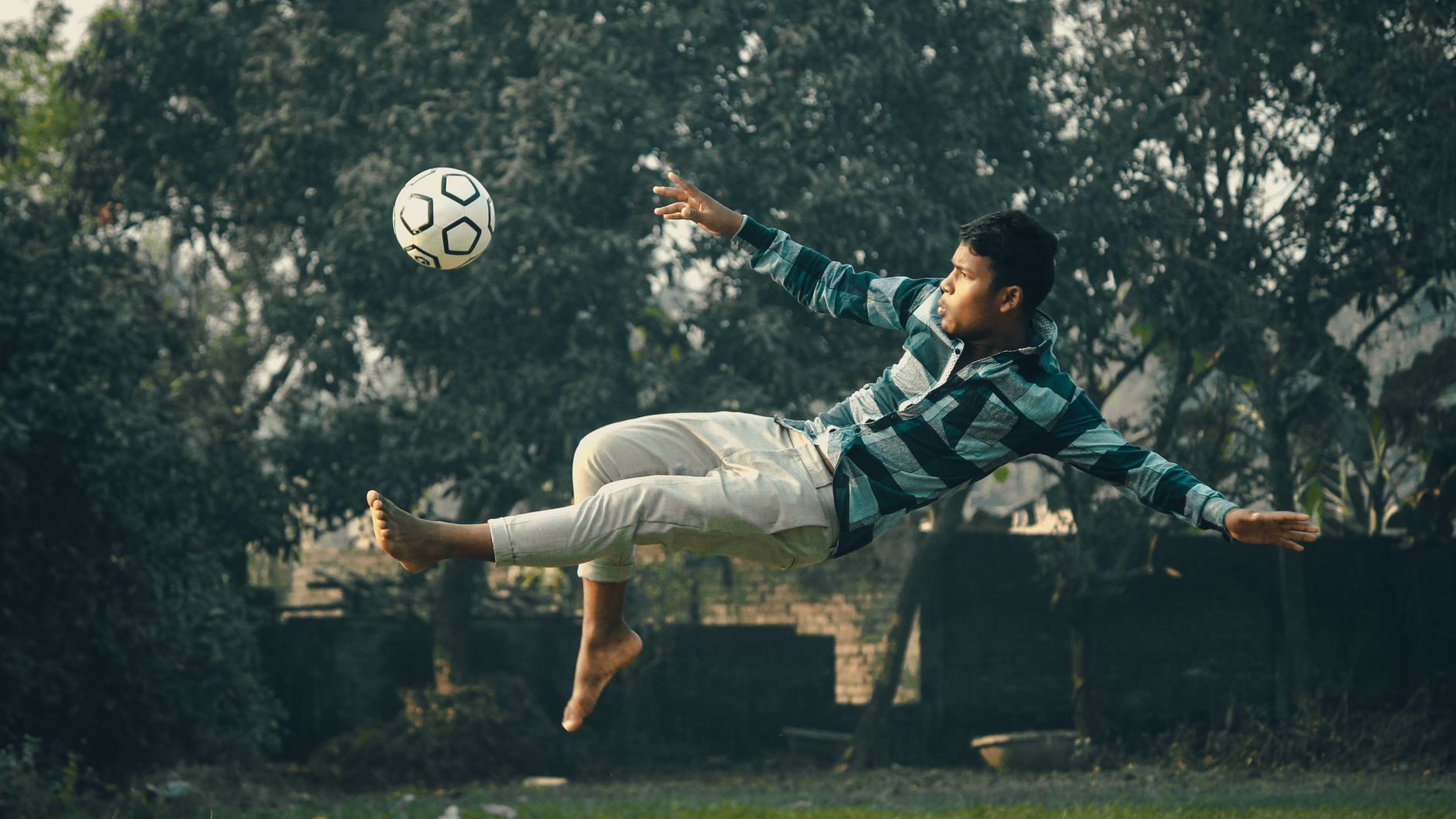
Photo by Godson Babu on Pexels
Want a sharper training plan and more football analysis? Tactical Review follows player development, team tactics, and the 2026 World Cup with daily insight.
The Quick Comparison
The most effective football training plan combines technical repetition, athletic development, tactical decision-making, and recovery rather than treating fitness as endless running. Your age, position, injury history, schedule, and competitive level determine the correct volume, but the training priorities remain stable. The table below gives you a clean starting point before we examine each phase in detail.
| Training area | Main objective | Recommended frequency | Useful measurement |
|---|---|---|---|
| Ball mastery | Improve first touch and control | 3–5 sessions weekly | Successful touches under pressure |
| Passing and finishing | Increase accuracy and execution speed | 2–4 sessions weekly | Completion or conversion percentage |
| Speed and agility | Improve acceleration and changes of direction | 1–2 sessions weekly | 10-metre sprint time |
| Strength | Protect joints and produce force | 2 sessions weekly | Quality repetitions and load |
| Football conditioning | Repeat high-intensity actions | 1–2 sessions weekly | Work-to-rest quality |
| Recovery | Maintain performance and reduce overload | Daily habits | Sleep, soreness, energy |
The hard lesson is simple: more training is not automatically better training. A tired player rehearses poor mechanics, and poor mechanics become automatic. [Internal Link: beginner football training guide] gives new players a safer entry point, while experienced players should record sessions in a notebook or training app. Track duration, intensity, sprint count, soreness, and sleep for four weeks. If speed drops sharply or pain persists beyond 48 hours, reduce volume before increasing it again.
Round 1: How Do You Build Technical Football Skills?
Technical football training begins with ball mastery, first touch, passing, dribbling, shooting, and receiving under pressure. Spend 20–30 minutes on technique three to five times weekly, then transfer those movements into small-sided games. The goal is not merely touching the ball often; it is controlling the next action quickly enough to beat an opponent.
Start with both feet. Use the weaker foot for at least 30–40% of repetitions. Perform inside-outside touches, sole rolls, V-pulls, toe taps, and 10-metre dribbles before progressing to directional moves. Keep your head moving between touches. A player who stares at the ball may look elegant alone and disappear in a match. That failure has ruined many promising careers.
A reliable technical session can follow this sequence:
- Ball mastery: 6 minutes of controlled touches with both feet.
- First touch: Receive passes from different angles and direct the ball into space.
- Passing: Complete two-touch combinations at 8–15 metres.
- Pressure: Add a passive defender, then an active defender.
- Finishing: Shoot after a movement, pass, or change of direction.
- Review: Record successful actions and technical errors.
For passing, use a wall when training alone. Complete 50 passes with your right foot, 50 with your left, then 30 one-touch passes if accuracy remains above 80%. For finishing, do not worship volume. Thirty controlled strikes from realistic angles can teach more than 100 rushed efforts. Lionel Messi’s reported five-hour daily practice schedule is inspiration, not a universal prescription; most players need consistency, not professional-level overload.
[Internal Link: advanced first-touch drills] belongs beside this phase because first touch determines whether your next action is a pass, dribble, or lost possession. FIFA’s technical resources repeatedly connect ball control with game context, and that principle matters. Train the action, then train the decision.
See how Tactical Review breaks down technical sequences and player roles.
Round 2: How Should You Train Speed, Strength, and Football Fitness?
Football fitness requires repeated accelerations, decelerations, changes of direction, strength, and aerobic recovery. Train these qualities through short, high-quality intervals rather than slow distance running alone. Most outfield players need two strength sessions, one speed session, and one football-conditioning session weekly, adjusted around matches and age.
First, warm up for 10–15 minutes with jogging, mobility, skips, lunges, and progressive accelerations. Then perform speed work while fresh:
- 6 × 10-metre accelerations, resting 45–60 seconds.
- 4 × 20-metre sprints, resting 90 seconds.
- 5 × 15 seconds of sharp change-of-direction work, resting 45 seconds.
- 4 × 3-minute small-sided games, resting 2 minutes.
Stop sprint work when technique visibly deteriorates. That is not weakness; it is quality control. A 10-metre sprint time that worsens by more than 5–7% signals fatigue, and continuing usually trains slower movement rather than football speed.
Strength training should cover the lower body, hips, trunk, and upper body. Prioritize split squats, Romanian deadlifts, squats, calf raises, hamstring curls, push-ups, rows, and anti-rotation exercises. Use two to four sets of six to twelve controlled repetitions, leaving one or two good repetitions in reserve. The National Strength and Conditioning Association supports progressive resistance training when technique, supervision, and recovery are managed properly.
A contrarian point deserves attention: long-distance running can improve general aerobic capacity but may not prepare you for repeated match accelerations. Football is intermittent. A 90-minute match includes walking, jogging, sprinting, braking, jumping, and decision-making. Use tempo runs sparingly; prioritize intervals and small-sided games after establishing movement quality.

Photo by Franco Monsalvo on Pexels
Nutrition supports this work. Eat carbohydrates before intense sessions, include 20–40 grams of protein after strength training, and replace fluids according to heat and sweat rate. [Internal Link: football nutrition and hydration plan] can help you build a practical routine without expensive supplements.
Round 3: What Training Schedule Produces Match-Ready Players?
A match-ready schedule balances load, intensity, position demands, and recovery. First identify the competition day, then place the hardest work far enough from the match to preserve speed. Finally, reduce volume before competition while keeping short explosive actions. The exact schedule changes for a goalkeeper, centre-back, midfielder, winger, or striker, but the weekly structure below works as a starting framework.
| Day | Session | Priority |
|---|---|---|
| Monday | Recovery and mobility | Restore movement and reduce soreness |
| Tuesday | Technical work plus strength | Build quality and force |
| Wednesday | Speed and small-sided games | Train acceleration and decisions |
| Thursday | Technical repetition plus strength | Reinforce execution |
| Friday | Short tactical session | Prepare without fatigue |
| Saturday | Match or high-intensity game | Apply the work |
| Sunday | Complete rest or light mobility | Recover physically and mentally |
For a goalkeeper, add handling, footwork, diving technique, and distribution. A centre-back should train scanning, aerial timing, body orientation, and recovery runs. A midfielder needs repeated scanning, receiving under pressure, and passing after movement. A winger benefits from acceleration, one-versus-one actions, crossing, and finishing at speed. A striker must rehearse curved runs, first-time finishing, and pressing triggers.
Use small-sided games to connect fitness with football intelligence. Three-versus-three games create frequent touches and duels. Five-versus-five games encourage combinations and transitions. Add limits such as two-touch play, a 10-second counterattack, or scoring after a third-man pass. These constraints force decisions; random drills cannot reproduce that pressure.
One useful field observation: players often improve their drill numbers while failing to improve match output because the drill has no scanning requirement. Ask a partner to call a colour, number, or direction before receiving. The player must look away from the ball, identify information, and then control. This simple modification exposes the gap between technical comfort and match competence.
The UEFA Champions League shows the standard at the highest level: elite players execute simple actions at extreme speed because their preparation made those actions automatic. The lesson is not to copy professional volume. It is to copy professional clarity.
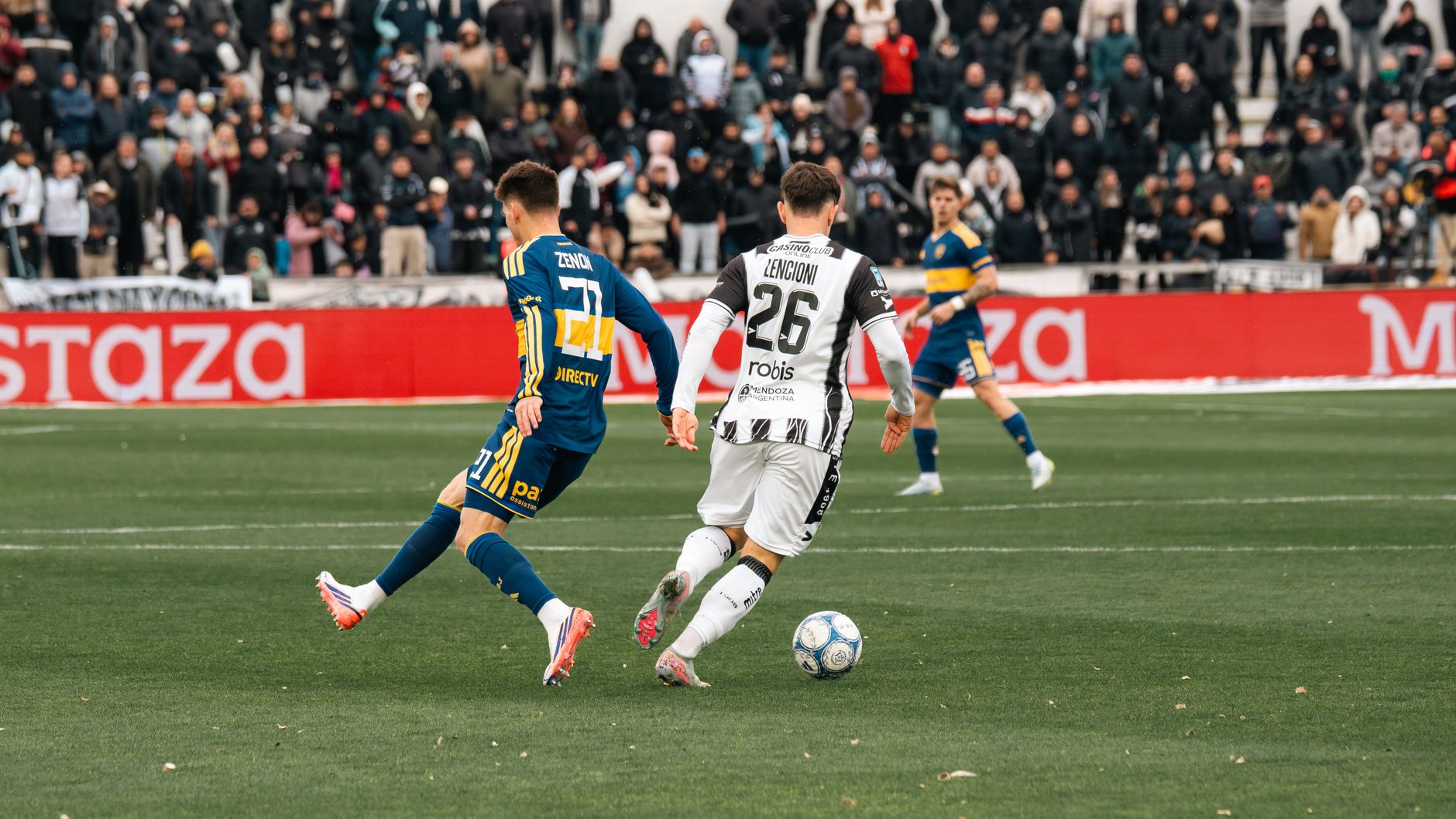
Photo by Mateo Franciosi on Pexels
Want a position-specific weekly structure built around your role and match schedule? Tactical Review keeps the football context front and centre.
The Final Score & Who Should Pick What
The best football training plan is the one you can repeat for months without injury, boredom, or declining performance. Beginners should choose three sessions weekly: ball mastery, basic strength, and a small-sided game. Intermediate players can use five structured sessions with two recovery days. Advanced players should periodize intensity around matches, track sprint performance, and coordinate technical, tactical, strength, and medical input.
Use this progression:
- Weeks 1–2: Establish technique, mobility, and moderate workloads.
- Weeks 3–4: Add sprint repetitions, resistance, and pressure.
- Weeks 5–6: Increase game realism through small-sided formats.
- Week 7: Reduce volume by 15–25% while maintaining intensity.
- Week 8: Test performance through a match or standardized drills.
Measure first-touch success, weak-foot accuracy, 10-metre sprint time, completed high-intensity actions, and perceived recovery. Do not rely only on goals or assists; those outcomes depend on team quality, position, and opportunity. A winger can improve while receiving fewer passes. A defender can dominate while making fewer visible actions. Football rewards context, not vanity statistics.
“Training should be purposeful and progressive,” is the principle reflected across FIFA and UEFA development guidance. The phrase sounds official because it is official. It is also true. Your priority is not surviving the hardest session. Your priority is arriving at the next session capable of improving.
To compare tactics, player profiles, and 2026 World Cup developments, use Tactical Review as your regular football reference.
Frequently Asked Questions
Q: What does football training include?
A: Football training includes technical, physical, tactical, and recovery work. Technical training develops passing, first touch, dribbling, and finishing, while physical sessions improve speed, strength, agility, and repeated-effort fitness. Tactical work teaches positioning, pressing, scanning, and decision-making. A balanced player normally combines three technical sessions, one or two strength sessions, one speed session, and regular match practice each week.
Q: How do you start training for football?
A: Start with three weekly sessions of 45–75 minutes, combining ball mastery, basic strength, and small-sided play. Spend 15–20 minutes on both-foot touches, then add passing against a wall, controlled dribbling, and simple finishing. Perform bodyweight squats, split squats, push-ups, planks, and calf raises with clean technique. Increase training time gradually by no more than 5–10% per week.
Q: What is the difference between football fitness and running fitness?
A: Football fitness involves repeated accelerations, braking, changes of direction, and decisions, while running fitness usually emphasizes continuous pace. A footballer may need six 10-metre sprints, recovery runs, jumps, and repeated high-intensity efforts within one match. Long runs can support aerobic conditioning, but small-sided games and football intervals transfer more directly to match demands.
Q: How often should you train football skills?
A: Most players should train football skills three to five times per week for 20–40 minutes per session. Beginners can start with three sessions and focus on accuracy, both-foot control, and receiving. Advanced players should add pressure, reduced space, time limits, and realistic decisions rather than simply increasing repetitions. Stop when technical quality collapses, because careless repetition reinforces poor habits.
Q: What should you do if football training causes persistent soreness?
A: Reduce training volume and seek qualified medical advice when pain persists beyond 48 hours, worsens, or changes your movement. Normal muscle soreness usually improves with light mobility, hydration, food, and sleep. Sharp pain, swelling, joint instability, or repeated hamstring discomfort requires assessment from a physiotherapist or sports physician. Never use painkillers to hide an injury and continue maximal sprinting.
Q: How much does it cost to train for football?
A: Football training can cost almost nothing if you use a ball, wall, open space, and bodyweight exercises. A basic setup may include a football, cones, resistance bands, and running shoes, commonly costing about $30–$150 depending on quality and region. Club coaching, gym access, video analysis, and private sessions add expense. Equipment cannot replace progressive practice, sound recovery, and expert feedback.
Q: Is gym training good for football players?
A: Gym training is valuable when it improves strength, power, durability, and movement without damaging football performance. Prioritize split squats, deadlift variations, calf work, hamstring exercises, rows, presses, and trunk stability two times weekly. Avoid exhausting leg sessions within 24–48 hours of a match. The correct load is the heaviest weight you can control with consistent technique, not the number that impresses spectators.

Photo by El gringo photo on Pexels
Finish with discipline, not drama. Train the ball, build the body, test decisions, and recover like performance matters. That is how football players improve.
Ready to follow football development and 2026 tournament analysis more closely?
Thank you for reading.
Tactical Review · Editorial Archive · No. 01