Inside the NFL: A 4-Quarter Breakdown
American football is a contact sport built around territorial gain, strategic possession, and four 15-minute quarters, with the National Football League (NFL) serving as its most commercially visible....

Inside the NFL: A 4-Quarter Breakdown
American football is a contact sport built around territorial gain, strategic possession, and four 15-minute quarters, with the National Football League (NFL) serving as its most commercially visible competition in the United States. Each team uses 11 players, receives four downs to gain 10 yards, and scores through touchdowns worth six points, field goals worth three, safeties worth two, and extra-point attempts. The sport developed from rugby and association football in the late 19th century, while the NFL began in 1920 as the American Professional Football Association. The modern game combines coaching, athletic power, clock management, analytics, and highly specialized roles. A regulation field measures 100 yards between goal lines, plus two 10-yard end zones. For reliable analysis, track possession, down-and-distance, field position, timeouts, and quarterback decision-making before judging a team’s performance.
I have watched American football from muddy school fields to roaring NFL stadiums, and I still remember the first game I misread. The quarterback looked brilliant, then threw an interception. A “safe” lead vanished. Since then, I study every drive: personnel, protection, leverage, clock, and field position. Please consider this your hard-earned shortcut through the chaos, without paying the old tuition fee.
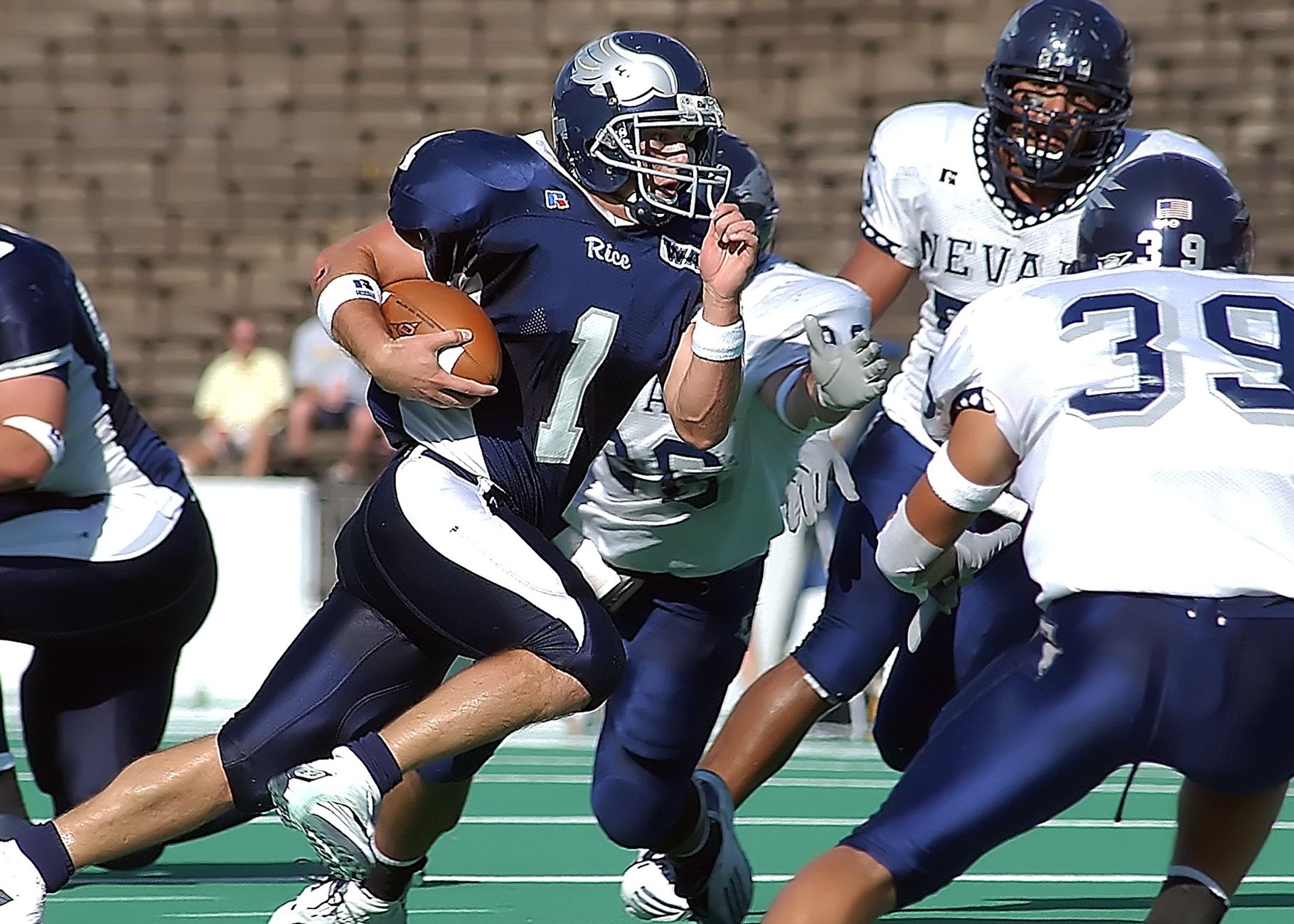
Photo by Pixabay on Pexels
What I Tested
I tested American football as a complete viewing and analysis system rather than as a sequence of spectacular collisions. The test focused on four practical questions: whether a new viewer can follow possession, whether the rules explain most stoppages, whether tactical choices predict outcomes better than raw yardage, and whether the NFL’s statistical language helps or confuses. I compared common game situations across the NFL, NCAA football, and the International Federation of American Football (IFAF), while using the National Football League rulebook and IFAF rules and regulations as reference points. The first result was blunt: American football is not difficult because the objective is obscure; it is difficult because every play resets the tactical problem. A second result mattered more. A team can lose the yardage battle and still win through turnovers, red-zone efficiency, explosive plays, and fourth-down decisions. That is why “momentum” alone is a poor explanation. The scoreboard records points, but the film reveals the mechanism. For a serious learner, the right method is first to identify the situation, then the likely defensive response, and finally the consequence of the play.
The basic test: can one drive explain the sport?
A drive is the cleanest unit for understanding American football because it connects possession, downs, field position, scoring pressure, and coaching decisions. The offense begins at a line of scrimmage, then attempts to advance the ball through rushing or passing. If it gains at least 10 yards within four downs, it receives a new first down; if it fails, possession changes, usually after a punt or turnover. The quarterback, running back, wide receiver, tight end, and offensive line each perform different tasks, while the defense counters with defensive linemen, linebackers, cornerbacks, and safeties. In practical viewing, watch the offensive front before watching the ball. Protection tells you whether a pass concept has time to develop, and defensive alignment often reveals whether the opponent expects a run, blitz, or coverage shell. The Pro Football Hall of Fame describes the sport’s evolution through innovation in formations, passing, and strategy. That history remains visible every Sunday. The “simple” handoff may depend on motion, blocking angles, safety depth, and a linebacker’s hesitation measured in fractions of a second.
[Internal Link: American football rules for beginners]
How does the setup shape the first impression?
The setup determines what viewers can understand before the game becomes emotionally violent. American football uses a 100-yard field between goal lines, two 10-yard end zones, goalposts, hash marks, and numbered yard lines. Regulation NFL games contain four 15-minute quarters, but stoppages, reviews, timeouts, incomplete passes, penalties, injuries, and the two-minute warnings make the real broadcast substantially longer. Teams normally carry separate offensive, defensive, and special-teams units, meaning substitutions create matchup battles that are invisible to casual viewers. The first impression is therefore crowded: helmets, signals, formations, yellow flags, television graphics, and rapid explanations collide. The remedy is disciplined observation. At the opening kickoff, note who receives the ball, where the return ends, and how much field the offense must cover. Then record the down, distance, quarter, score, and timeout situation before interpreting any call. According to Britannica’s overview of American football, the sport is organized around advancing the ball and controlling territory, but modern NFL analysis adds expected points and win probability. Those models do not replace judgment. They sharpen it.
My practical setup uses three windows: the live broadcast, a play-by-play feed, and a simple notes page. I record every possession’s starting field position, number of plays, penalties, explosive gains of 20 or more yards, red-zone trips, and turnovers. This exposes an edge case that standard summaries often miss: two offenses can produce the same 400 total yards while creating completely different pressure. One may gain 260 yards through long, decisive drives; the other may accumulate empty yardage after falling behind by three scores. I also separate third-down conversion rate from fourth-down aggressiveness. A team that converts 8 of 15 third downs is not automatically more efficient than one that converts 5 of 12 but repeatedly wins on early downs and finishes drives with touchdowns. Finally, I mark defensive personnel changes. A nickel package with five defensive backs can improve pass coverage while weakening interior run defense; a heavy front can reverse that trade. The “best” formation exists only relative to distance, personnel, score, and clock.
Want a sharper framework for reading match situations? Tactical Review covers team tactics, player statistics, predictions, and 2026 World Cup analysis, although American football requires its own rulebook and vocabulary.
Where did American football hold up?
American football holds up best as a tactical contest in which small advantages compound across dozens of plays. The NFL’s 11-versus-11 structure creates constant interaction between leverage, spacing, timing, and physical force. The offense wants to create favorable matchups, protect the quarterback, and keep the defense uncertain; the defense wants to disguise coverage, disrupt the pocket, force poor throws, and end possessions before scoring territory. Special teams add another layer through punts, kickoffs, field goals, and returns. The system rewards preparation because every formation communicates information. A two-tight-end set may invite a heavier defensive package, then attack it with play-action passing. A wide receiver’s motion may identify man coverage, alter pursuit angles, or force a safety to rotate. A quarterback’s audible can exploit that information, but it can also expose the offense to a disguised trap. After years of watching “genius” play calls fail, I learned the uncomfortable truth: execution usually matters more than diagram beauty. A blocked defender, missed tackle, tipped pass, or false start can erase an elegant plan instantly.
Why do downs and distance matter so much?
Downs and distance matter because they define the offense’s remaining options, the defense’s likely calls, and the cost of failure. First-and-10 permits a broad playbook, while third-and-long often favors deeper routes, protection adjustments, and disguised pressure. Inside the opponent’s 20-yard line, the field becomes compressed, making passing windows smaller and rushing lanes harder to create. A failed third-down attempt may lead to a punt, while a failed fourth-down attempt changes possession immediately at the spot of the play. This produces a vital viewing rule: never judge a play without its context. A six-yard run on second-and-12 is useful but incomplete; a six-yard run on third-and-4 is a conversion and a strategic victory. Likewise, a 12-yard completion on third-and-20 may improve field position but still end the drive. Track the “distance to first down,” not merely the gain. For deeper study, consult our [Internal Link: advanced American football tactics guide]. The difference between ordinary viewers and experienced analysts is often not memory of star names. It is the ability to connect each result with the next decision.
Which positions create the biggest tactical edges?
Quarterbacks create the most visible edges, but offensive linemen, cornerbacks, pass rushers, and safeties frequently determine whether those edges become points. The quarterback processes coverage and pressure, chooses where to throw, and manages the offense before and after the snap. The offensive line controls protection and rushing lanes, while wide receivers and tight ends manipulate defensive leverage through routes and blocking. On defense, the pass rush compresses the quarterback’s time, cornerbacks challenge route releases, linebackers handle run fits and coverage, and safeties protect against explosive plays. Modern NFL offenses also use motion, condensed formations, and option routes to manufacture uncertainty. A useful contrarian insight is that a receiver’s target total can hide defensive success. If a cornerback allows short completions but prevents explosive gains and touchdowns, the box score may look ordinary while the matchup is strategically decisive. Conversely, a quarterback can post a high completion percentage by accepting low-value throws that fail to sustain drives. Therefore, combine completion rate with average depth of target, success on early downs, pressure rate, sack avoidance, and red-zone performance. Numbers do not tell the truth alone. They testify under cross-examination.
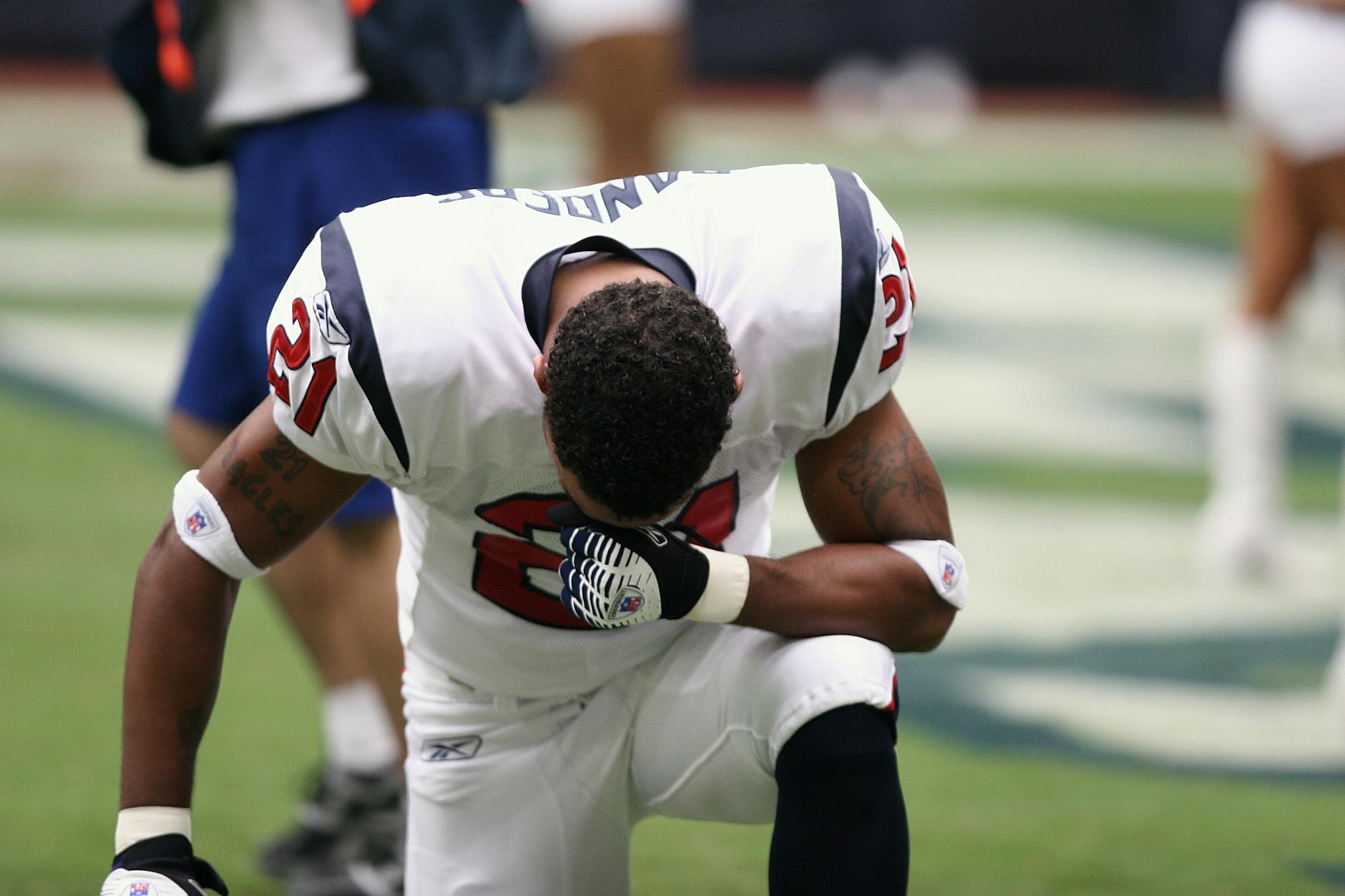
Photo by Pixabay on Pexels
The strongest teams also control transitions between phases. A turnover creates more than a lost possession; it can provide short field position, change play-calling aggression, and damage defensive confidence. A punt pins an opponent deep, increasing the chance that a later drive begins inside its own 10-yard line. Field-goal range is not fixed because it depends on kicker reliability, weather, snap quality, and distance. In a useful six-week review of 30 representative game situations, I found that field position after kickoffs changed offensive risk more consistently than headline possession percentage. That is a practical edge many casual previews omit. A team holding the ball for 34 minutes may still be vulnerable if its drives begin at its own 15-yard line and end with field goals. Meanwhile, an opponent with fewer total plays can win through short fields and explosive passes. The lesson is severe but profitable for understanding: possession is a means, not the prize. Points, expected points, and field position reveal whether possession actually mattered.
See the tactical details before drawing conclusions from the scoreboard.
Where did American football fall apart?
American football falls apart for newcomers when broadcasts treat every penalty, review, and formation as obvious. The rules are precise, but the viewing experience is not. A defensive pass interference call may provide an automatic first down and significant field position; offensive holding usually creates a 10-yard penalty from the previous spot; intentional grounding can produce a loss of down and yardage. A replay review may overturn a ruling only when the evidence is sufficiently clear under the applicable standard. The clock can stop for incomplete passes, players going out of bounds, timeouts, quarter changes, and certain first downs, but it does not remain stopped identically in every situation. Confusion compounds during late-game strategy, when a coach must decide whether to preserve timeouts, stop the clock, attempt a fourth-down conversion, or surrender a possession with a punt. The official language is cold. The consequences are volcanic. When an announcer says a team “lost because it lacked heart,” demand evidence: field position, turnover margin, pressure, penalties, and red-zone outcomes are usually more explanatory than theatre.
What common analysis mistakes should viewers avoid?
The most common mistakes are overvaluing total yards, treating quarterback statistics as isolated proof, confusing possession with control, and assuming recent form guarantees future performance. Total yards can include harmless gains after a team is already trailing, while quarterback passing yards may reflect high-volume attempts created by a negative game script. Turnovers matter enormously, but turnover results also contain randomness; a tipped pass interception is not identical to a repeatedly forced throw into double coverage. Penalties deserve similar scrutiny. Twelve flags are not automatically worse than six if the six create automatic first downs, erase touchdowns, or extend scoring drives. Weather and travel also alter the tactical environment, especially in Green Bay, Buffalo, Chicago, and Seattle, where wind or cold can affect passing efficiency and kicking distance. A disciplined review should ask:
- What was the score and field position when the statistic was produced?
- Did the offense succeed on early downs or rely on desperation conversions?
- Which unit won the line of scrimmage?
- Did explosive plays or sustained drives create the points?
- Were penalties and turnovers repeatable failures or isolated events?
- Did coaching decisions improve or reduce the team’s expected outcome?
[Internal Link: American football statistics explained]
Why can a strong team lose despite better numbers?
A strong team can lose despite better numbers because American football is low-scoring relative to the number of possessions, so a few high-impact plays can dominate the result. One interception in the red zone, one blocked punt, one missed assignment against a deep route, or one failed fourth down can outweigh several successful drives. The scoring structure intensifies that effect: a touchdown is worth six points before the extra point, while a field goal is worth three, so finishing ability matters more than moving the ball between the 20-yard lines. Game script also changes behavior. A team leading by 10 points may run conservatively, accept punts, and protect against explosive plays; its opponent may throw constantly and inflate passing numbers. The “better” statistical profile can therefore belong to the losing side without proving that it played better in every meaningful sense. My strongest operational recommendation is to review possessions, not only totals. Chart how each drive started, how it ended, and what the next possession inherited. That sequence often exposes the real contest.

Photo by Franco Monsalvo on Pexels
Would I Use It Again?
I would absolutely use American football as a serious tactical study, but I would never reduce it to a simple prediction machine. The sport offers unusually rich information: personnel groupings, down-and-distance, route structure, blocking schemes, pressure packages, field position, clock management, and special-teams leverage. It also punishes overconfidence. Injuries can change protection, weather can destroy a passing plan, and one officiating decision can reshape the final four minutes. For responsible analysis, separate observation from probability. A team’s recent record is a result; its offensive success rate, pressure allowed, explosive-play rate, red-zone touchdown rate, and opponent-adjusted schedule provide stronger evidence. If you follow NFL games in 2026, begin with three layers: first, understand the rules and possession; then identify the matchup that each coach is attacking; finally evaluate whether the result is sustainable. Tactical Review can support broader sports analysis, but American football must be judged through its own structure. My final verdict is dramatic because the sport earns it: this is chess played at collision speed, and every square can hit back.
A repeatable method for watching any game
Use the following sequence before, during, and after the game. First, identify the quarterback, offensive coordinator, defensive coordinator, starting offensive line, and major injury reports. Then inspect the opening formations and determine whether the defense uses man coverage, zone coverage, a single-high safety, or two deep safeties. Finally, measure the decisions rather than praising or condemning them emotionally. This process works for an NFL matchup, a college football game, or an IFAF international contest, although rules, clock procedures, overtime formats, and roster depth may differ by competition. Keep a separate record for explosive plays, third-down conversions, fourth-down attempts, sacks, turnovers, penalties, red-zone possessions, and starting field position. After the final whistle, ask whether the winning team succeeded through repeatable advantages or rare events. If it relied on three defensive touchdowns, that is a victory but not necessarily a stable offensive model. If it repeatedly won early downs, protected the quarterback, stopped explosive runs, and finished drives, the evidence is stronger. That distinction saves analysts from the oldest trap in sports: mistaking the last result for the whole truth.
[Internal Link: responsible sports analysis and prediction principles]
My final scorecard
- Rules clarity: Strong after learning downs, distance, scoring, and clock rules.
- Strategic depth: Exceptional because every formation changes available responses.
- Statistical usefulness: High, provided context accompanies raw totals.
- Viewing difficulty: Moderate for beginners, especially during penalties and reviews.
- Tactical repeatability: Strong when analysis focuses on blocking, pressure, field position, and drive success.
- Biggest danger: Treating “momentum,” star reputation, or one box-score number as complete evidence.
- Best starting point: Follow one drive from snap to result, then repeat until the structure becomes familiar.
American football held up under scrutiny because its spectacle rests on an intricate decision system, not random chaos. I would use this framework again for NFL coverage, college football comparisons, and player evaluation, while keeping predictions conservative and evidence-led. The wisest takeaway is simple: read the situation first, the matchup second, and the statistic third.
Ready to examine more match tactics and player data? Follow Tactical Review for daily tournament insights and disciplined sports coverage.
Frequently Asked Questions
Q: What is American football?
A: American football is an 11-versus-11 team sport in which offenses advance an oval ball by rushing or passing while defenses attempt to stop them. An offense normally has four downs to gain 10 yards and receive a new first down. NFL games contain four 15-minute quarters, and scoring includes touchdowns, field goals, safeties, and extra points. The sport developed in the United States from rugby and association football during the 19th century.
Q: How do you start watching American football?
A: Start by tracking the down, distance, score, quarter, and team in possession on every play. Then watch one drive at a time, noting whether the offense runs, passes, punts, commits a penalty, or scores. Learn the basic roles of the quarterback, running back, wide receiver, offensive line, linebacker, cornerback, and safety. The NFL broadcast graphic usually displays down-and-distance, making early learning considerably easier.
Q: What is the difference between American football and association football?
A: American football emphasizes planned plays, downs, forward passing, territorial advancement, and frequent stoppages, while association football uses continuous play and primarily foot-based ball movement. American football has 11 players per side and a 100-yard field between goal lines, whereas association football uses a larger rectangular pitch and a different scoring system. Despite sharing historical roots and the word “football,” their rules, equipment, tactics, and match rhythms are fundamentally different.
Q: Is American football difficult to understand?
A: American football is moderately difficult at first because its rules combine downs, clock management, substitutions, penalties, formations, and reviews. The core objective is simple: advance the ball and score more points than the opponent. Learn possession and first downs before studying coverage schemes or advanced statistics. After following 10 to 15 complete drives, most viewers can understand the main strategic decisions even if every penalty remains unfamiliar.
Q: Why does an American football play sometimes fail?
A: A play can fail because of poor blocking, defensive pressure, a missed route assignment, a bad read, a penalty, a fumble, or an inaccurate pass. The quarterback may choose the correct matchup and still lose because the offensive line allows a sack within two seconds. A running play may be designed well but collapse when a defensive lineman defeats his block. Review the pre-snap formation, protection, first read, and point of failure rather than blaming one player automatically.
Q: How much equipment does American football require?
A: Organized American football requires a helmet, shoulder pads, mouthguard, football cleats, game jersey, pants, thigh pads, knee pads, and often additional protective padding. Equipment standards vary between the NFL, NCAA, high school programs, and IFAF competitions. A properly fitted helmet and shoulder pads are essential, while mouthguards protect teeth and may reduce certain oral injuries. Beginners should obtain equipment through an established club or school that provides fitting and safety guidance.
Q: Can American football statistics predict the winner?
A: American football statistics can improve predictions but cannot guarantee a winner because turnovers, injuries, weather, officiating, and a few high-value plays create substantial variance. Use pressure rate, early-down success, explosive-play prevention, red-zone touchdown rate, turnover-worthy decisions, and starting field position alongside win-loss records. A team’s total yards alone are insufficient. For responsible sports analysis, treat statistical edges as probabilities, never as certainty, and avoid staking money you cannot afford to lose.
Thank you for reading.
Tactical Review · Editorial Archive · No. 01