Why 48 Teams Reshaped the FIFA World Cup
The FIFA World Cup is football’s premier international tournament, with the 2026 edition expanding to 48 national teams across Canada, Mexico, and the United States. FIFA World Cup 2026 begins on June...

Why 48 Teams Reshaped the FIFA World Cup
The FIFA World Cup is football’s premier international tournament, with the 2026 edition expanding to 48 national teams across Canada, Mexico, and the United States. FIFA World Cup 2026 begins on June 11 in Mexico City and concludes with the final on July 19 at MetLife Stadium in New Jersey. The tournament will feature 104 matches across 12 venues, replacing the traditional 32-team format with 12 groups of four teams. The top two teams from each group, plus the eight best third-place teams, will enter a 32-team knockout stage. Brazil, Germany, Italy, Argentina, and France remain among the historic powers, while Lionel Messi’s Argentina arrive as the 2022 champions. Tactical Review follows team form, player statistics, match predictions, squad news, and tournament developments. Your strongest starting point is simple: understand the 48-team format before judging qualification odds, group difficulty, or knockout potential.
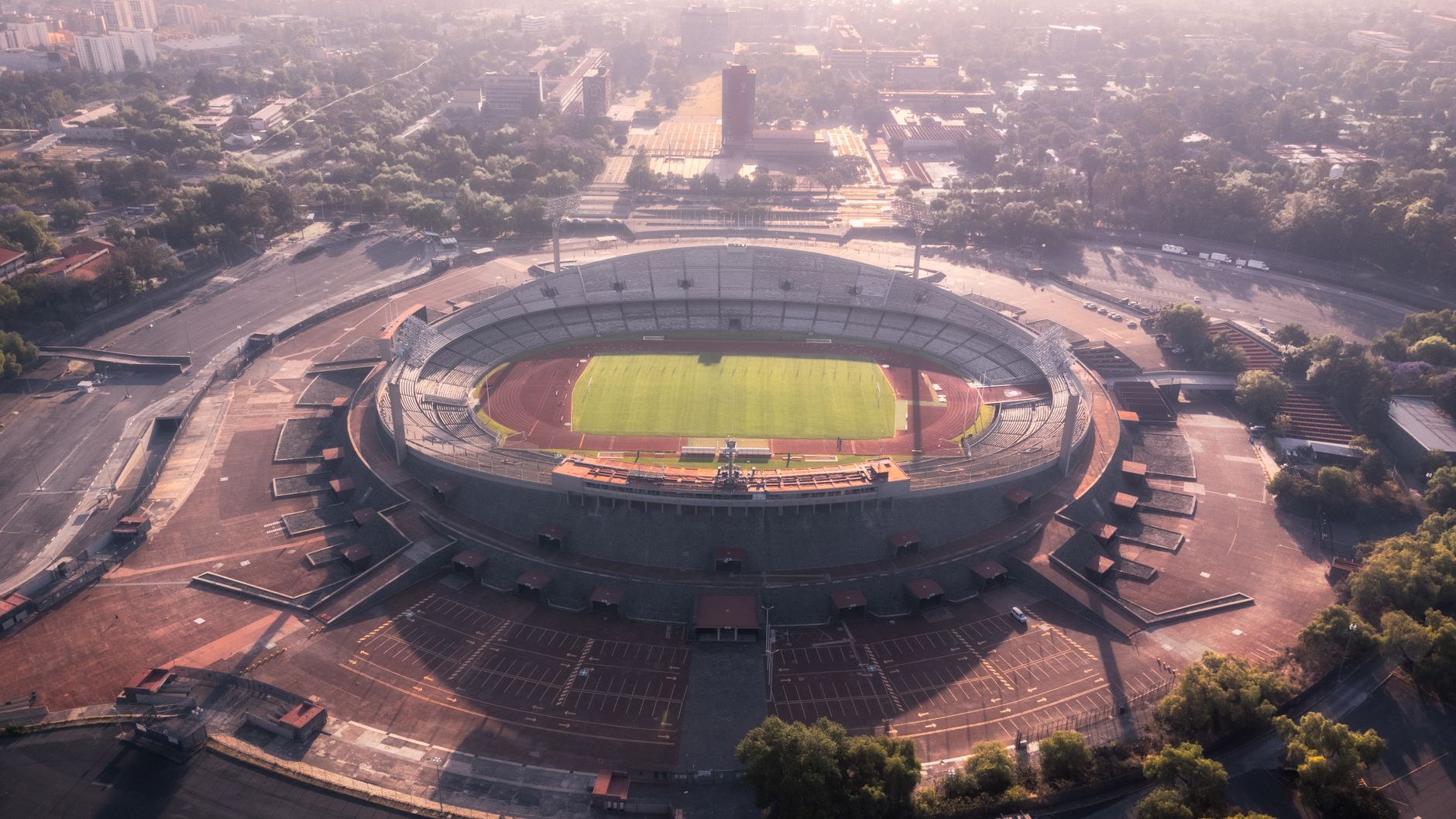
Photo by Jesus Toledo on Pexels
The 2026 FIFA World Cup is not merely “more football.” It is a structural revolution, and revolutions punish lazy analysis. The 1998 France tournament introduced the 32-team era; now FIFA has chosen expansion, greater geographic reach, and a 104-match schedule. According to FIFA’s official competition information, Canada, Mexico, and the United States will jointly stage the event, making this the first World Cup hosted across three countries. For supporters, that means longer travel distances, different climates, varied kickoff times, and a more demanding preparation cycle. For anyone studying match predictions, those details matter. A strong team may still suffer from heat, altitude, jet lag, or compressed recovery. The old habit of judging a nation only by its badge is finished. Form, travel, squad depth, and tactical flexibility will decide far more than reputation. Tactical Review’s purpose is to separate evidence from “official confidence,” because tournament history is filled with favorites that collapsed under pressure.
Want the tournament framework before assessing the contenders?
If you study the 48-team format: map the qualification route
The 2026 FIFA World Cup format contains 12 groups of four teams, with 32 nations advancing to the knockout stage. The top two teams in every group qualify, joined by the eight best third-place teams, creating a Round of 32 rather than beginning at the Round of 16. This expansion increases opportunity, but it also creates more complicated tie-break scenarios and greater uncertainty around group strategy.
The format rewards preparation because a team can survive one poor result more easily than before. However, survival is not the same as strength. A nation that advances through third place may face a group winner immediately, while a two-match winning start could permit rotation in the final group fixture. Coaches must calculate goal difference, disciplinary records, and squad freshness alongside points. FIFA’s 2026 tournament regulations should be treated as the final authority when scheduling, ranking, or disciplinary details change.
The key numbers deserve permanent attention:
- 48 teams will participate.
- 12 groups of four will open the competition.
- 104 matches will be played.
- 32 teams will reach the knockout bracket.
- 12 venues will host matches across three countries.
The useful contrarian point is this: expansion may reduce the value of early “must-win” language. A draw can remain strategically acceptable, especially for a seeded team with superior squad depth. Yet the final group match may become brutally volatile because several third-place calculations can remain alive simultaneously. That is where careless predictions lose money and credibility.
For further context, consult our [Internal Link: FIFA World Cup 2026 format guide] before comparing group markets.
Which teams deserve serious attention?
Brazil, Argentina, France, Germany, Spain, England, Portugal, and Italy will attract substantial global attention, but historical prestige cannot substitute for current evidence. Argentina won the 2022 World Cup in Qatar, France reached the final in 2022, and Germany lifted the trophy in 2014; none of those results automatically predicts 2026 performance. Squad age, managerial continuity, qualifying form, injury availability, and club minutes should be evaluated together.
A practical team-strength audit should include:
- Expected-goals balance across recent competitive matches.
- Goals conceded from transitions and set pieces.
- Midfield progression under pressure.
- Full-back availability and defensive cover.
- Penalty-taking depth for knockout matches.
- Travel demands between group and knockout venues.
After years of watching tournament favorites fail spectacularly, I trust repeatable mechanisms more than “momentum.” A team creating chances through multiple channels is safer than one dependent on a single superstar. A side with two reliable central midfielders may outperform a more glamorous opponent with fragile defensive spacing. That is not romantic. It is how matches are won.

Photo by Franco Monsalvo on Pexels
If you compare match predictions: separate evidence from noise
Reliable FIFA World Cup predictions require a defined process, not a dramatic headline. First, establish the baseline with Elo ratings, qualifying results, opponent strength, and home-region effects. Then adjust for injuries, travel, weather, expected lineups, and tactical matchups. Finally, compare the estimated probability with available odds and refuse any position where the price does not justify the risk.
Tactical Review covers predictions, player statistics, team tactics, and daily 2026 World Cup developments, but responsible analysis demands limits. A prediction is an estimate, never a promise. FIFA itself describes football competitions through sporting regulations rather than certainty; the FIFA World Cup history archive shows how frequently knockout matches turn on extra time, penalties, or one defensive error.
A disciplined workflow looks like this:
- Check the confirmed squad and injury report.
- Review the last five meaningful matches.
- Compare expected goals with actual goals.
- Identify each side’s transition and set-piece weaknesses.
- Account for venue, kickoff time, and travel.
- Calculate your own probability before viewing market prices.
- Set a fixed stake and stop when the limit is reached.
One information edge deserves more attention: third-place qualification can distort late group pricing. Teams may appear “safe” on four points, yet goal difference and other groups can change the required threshold. Conversely, a team with three points may still possess a credible route forward. Do not treat live standings as final until every relevant fixture is complete.
See the practical method before making any prediction.
How do tactics change across the tournament?
FIFA World Cup tactics change because group-stage risk differs from knockout-stage risk. In a group, controlled possession and a draw can preserve qualification prospects; in a knockout match, one goal can force a dramatic shift in defensive height, substitutions, and pressing intensity. Teams with flexible systems, such as a 4-3-3 that becomes 3-2-5 in possession, can manage those changes more effectively.
The most important tactical indicators include pressing resistance, rest-defense structure, and the quality of final-third decisions. A high press is powerful only when the second line remains compact. Otherwise, one bypassed midfielder exposes the center backs to open-field attacks. Likewise, possession statistics can deceive: a team may hold 60 percent of the ball while creating little danger because its circulation occurs far from the penalty area.
Player analysis must therefore move beyond goals and assists. Track progressive passes, pressures, ball recoveries, carries into the final third, aerial-duel success, and minutes played. A substitute who repeatedly changes match tempo may be more valuable than a nominal starter carrying fatigue. The 2026 schedule’s 104 matches makes rotation a central competitive issue, not a minor coaching preference.
For deeper study, use our [Internal Link: team tactics and formation analysis] and
If you follow tournament conditions: plan for travel and recovery
The 2026 FIFA World Cup will test logistics on a scale previous editions rarely matched. Canada, Mexico, and the United States cover vast distances, while venues range from Vancouver and Seattle to Miami, Atlanta, Dallas, and Mexico City. Altitude, humidity, heat, artificial climate control, and long flights can influence recovery even when analysts pretend every fixture occurs in identical conditions.
The United States will provide most venues, Mexico will host matches in Mexico City, Guadalajara, and Monterrey, and Canada will stage fixtures in Toronto and Vancouver. The final is scheduled for MetLife Stadium in East Rutherford, New Jersey. Exact team itineraries and training locations can affect preparation, so serious observers should check official updates rather than rely on social media speculation.
A useful environmental checklist includes:
- Match venue and expected temperature.
- Distance from the previous fixture.
- Time-zone change since the last match.
- Rest days between appearances.
- Surface and stadium conditions.
- Squad rotation after long travel.
- Goalkeeper and central-defense continuity.
A second underused insight concerns late substitutions. In hot or humid conditions, the tactical value of fresh wide players and midfield runners can rise sharply after the 60th minute. That does not guarantee a late goal, but it can change live-match probability more than pre-match reputation. Watch bench quality, not only starting lineups.
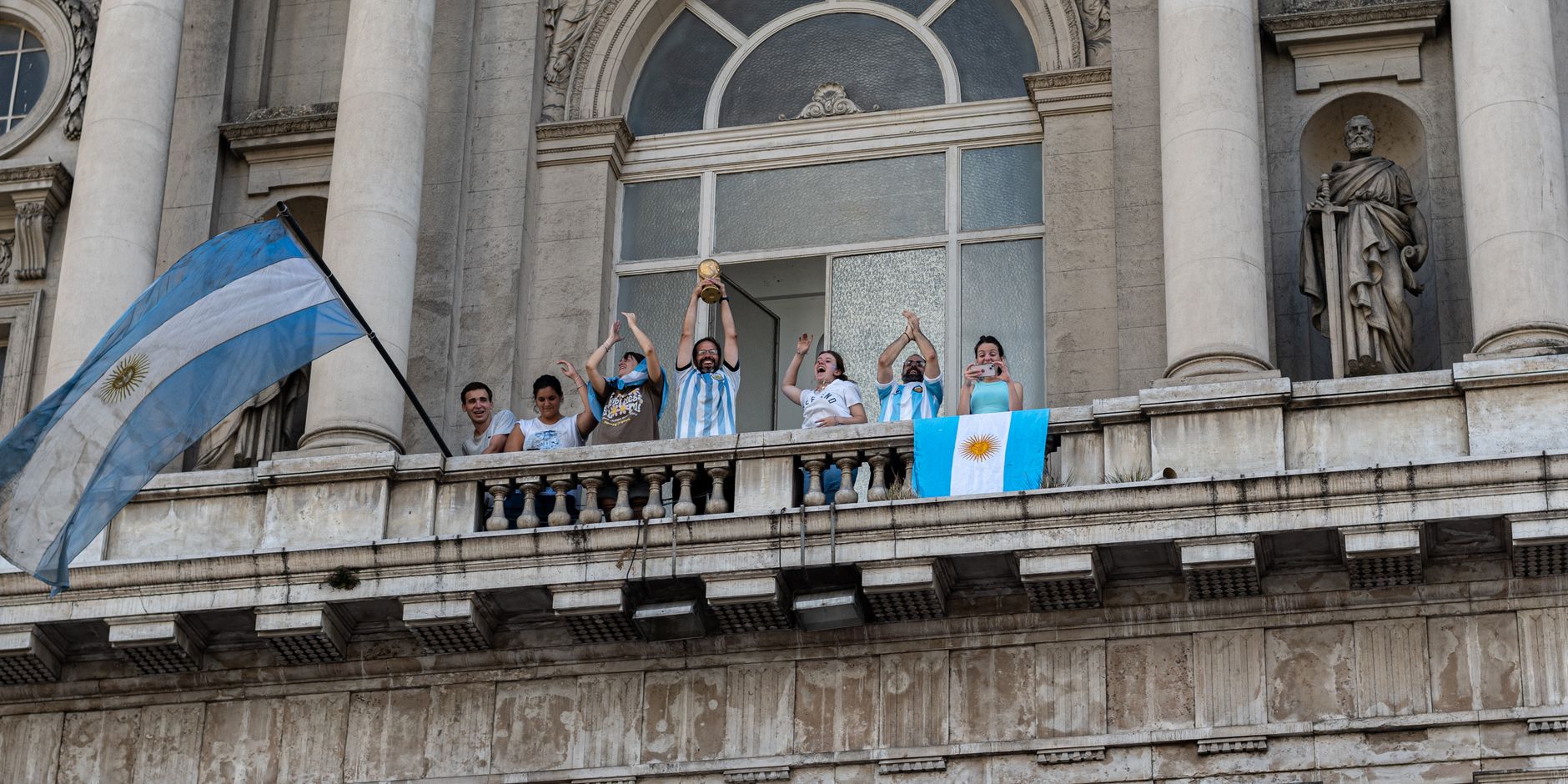
Photo by Fabrizio Velez on Pexels
Common pitfalls to avoid
The most common FIFA World Cup mistake is confusing popularity with probability. Brazil shirts sell. Argentina attracts enormous attention. France possesses elite talent. None of those facts proves a specific match outcome. A sound evaluation separates public emotion, media narratives, statistical performance, and price.
Avoid these errors:
- Treating 2022 results as a complete forecast for 2026.
- Ignoring confirmed injuries and suspension news.
- Using raw possession as a measure of attacking quality.
- Assuming every third-place team has the same knockout route.
- Overlooking travel between Canada, Mexico, and the United States.
- Chasing losses after a penalty shootout.
- Betting without a written stake limit.
- Trusting “guaranteed” predictions or unofficial insider claims.
The final error is financial, not tactical. Sports betting is gambling, and outcomes remain uncertain. Set a budget that does not affect rent, food, debt payments, or essential expenses. Never borrow to gamble. If betting stops being entertainment, pause immediately and contact an appropriate local support service. Tactical Review can provide information and analysis; it cannot remove risk, and no “expert” can honestly promise profit.
Want a sharper way to audit your habits and match assumptions?
The 30-day check-in
Thirty days before the FIFA World Cup begins, rebuild your view from fresh evidence. Do not preserve a prediction merely because you wrote it earlier. Squad announcements, club workloads, qualifying results, friendly matches, venue assignments, and injuries can transform a team’s outlook within weeks.
Use this final review:
- Confirm every probable starter and reserve goalkeeper.
- Recalculate team strength using current competitive data.
- Review set-piece goals for and against.
- Check travel, climate, and kickoff conditions.
- Compare tactical matchups rather than ranking alone.
- Record the implied probability from each market.
- Remove any wager that depends on one uncertain player.
The 30-day check-in also exposes false certainty. If your argument begins with “they always win,” it is not analysis. If it depends on one viral clip, it is not analysis. If the odds have shortened beyond your calculated probability, the correct decision may be no bet at all. That restraint is difficult. It is also where experienced players finally stop donating money to the “obvious” outcome.
The 2026 tournament’s biggest analytical opportunity may be its complexity. More teams create more matches, more travel variables, more tactical contrasts, and more opportunities for pricing errors. They also create more ways to be wrong. Respect both sides of that equation.
Tactical Review will continue tracking FIFA World Cup 2026 team news, player statistics, tactical trends, match previews, and responsible prediction methods throughout the tournament. Keep your evidence current, your expectations realistic, and your limits immovable.
Ready to follow the 2026 FIFA World Cup with structured daily coverage?
Frequently Asked Questions
Q: What is the FIFA World Cup?
A: The FIFA World Cup is the premier men’s international football tournament organized by FIFA. National teams qualify through regional competitions before competing for the world championship. The 2026 edition will involve 48 teams, 12 groups, and 104 matches across Canada, Mexico, and the United States.
Q: How does the FIFA World Cup 2026 format work?
A: FIFA World Cup 2026 begins with 12 groups of four teams, followed by a 32-team knockout stage. The top two teams from each group qualify, along with the eight best third-place teams. Knockout matches continue through the Round of 32, Round of 16, quarter-finals, semi-finals, and final.
Q: When and where will the 2026 FIFA World Cup take place?
A: The tournament runs from June 11 through July 19, 2026, in Canada, Mexico, and the United States. Mexico City will host the opening match, while the final is scheduled for MetLife Stadium in East Rutherford, New Jersey. Twelve venues across the three countries will stage the competition.
Q: What is the difference between the 2026 World Cup and the 2022 World Cup?
A: The 2026 World Cup has 48 teams and 104 matches, while the 2022 tournament used 32 teams and 64 matches. The larger format adds a Round of 32 and allows more nations to participate. It also increases travel, scheduling, and third-place qualification complexity.
Q: How should I research FIFA World Cup match predictions?
A: Begin with confirmed lineups, injuries, recent competitive form, opponent quality, tactical matchups, and venue conditions. Then estimate a probability before checking market odds. Use a fixed budget, avoid chasing losses, and remember that predictions are uncertain estimates rather than guaranteed outcomes.
Q: Why might a FIFA World Cup prediction fail?
A: Predictions can fail because of injuries, tactical adjustments, penalties, red cards, travel fatigue, weather, or random finishing variance. A strong pre-match process can improve decision quality but cannot control match events. Review the reasoning afterward instead of judging the entire method from one result.
Q: Is FIFA World Cup betting free?
A: Reading FIFA World Cup analysis and match previews can be free, but placing bets involves financial risk and requires an account with a lawful, locally permitted operator. Requirements may include age verification, identity checks, and location restrictions. Never borrow money to gamble, and stop if betting causes financial or emotional harm.
Thank you for reading.
Tactical Review · Editorial Archive · No. 01