Before You Bet, Read This 2026 World Cup Breakdown
World cup football in 2026 is a 48-team FIFA tournament hosted across the United States, Canada, and Mexico, and Tactical Review covers it through match predictions, team tactics, player stats, and be...
Before You Bet, Read This 2026 World Cup Breakdown
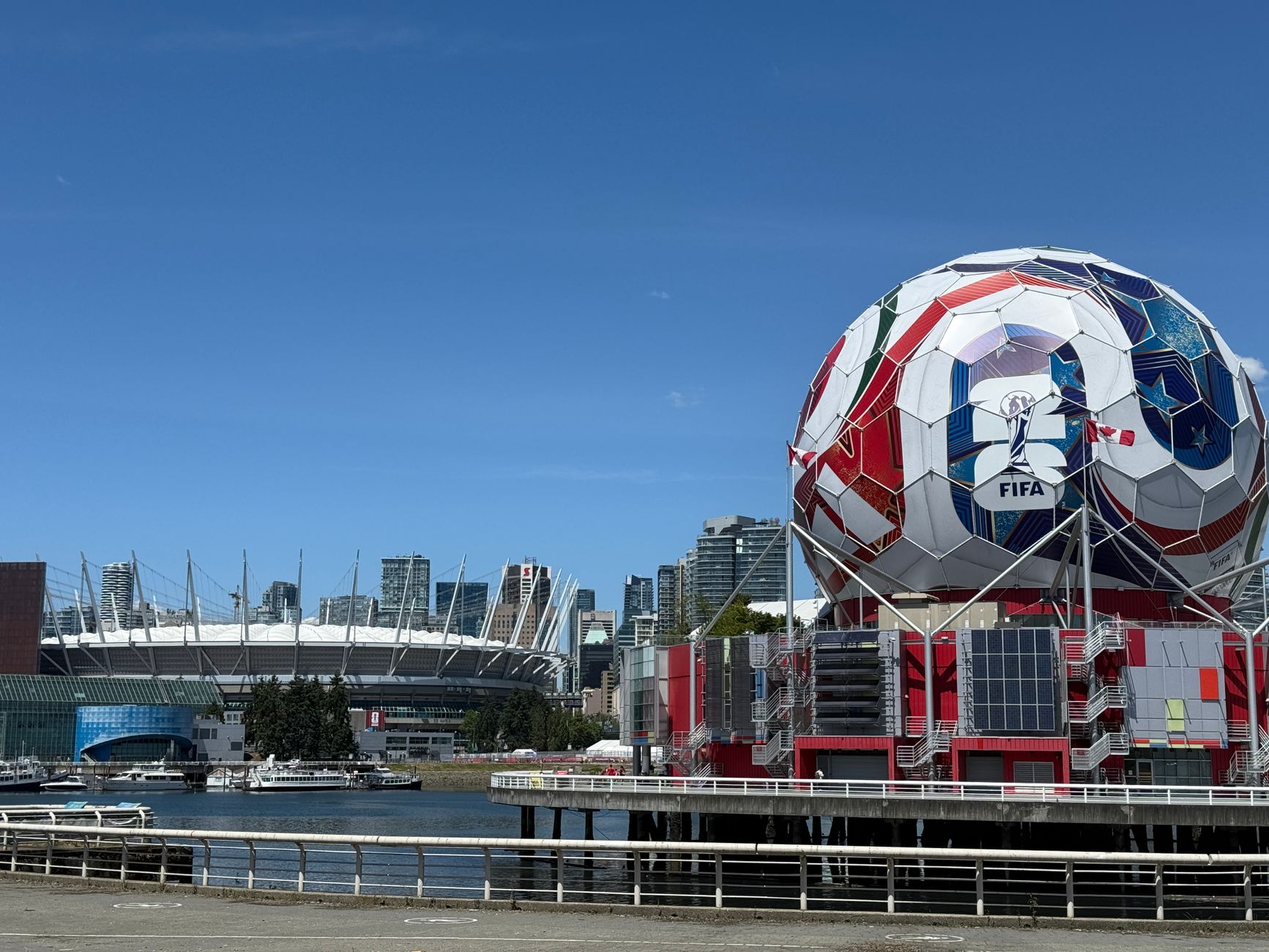
World cup football in 2026 is a 48-team FIFA tournament hosted across the United States, Canada, and Mexico, and Tactical Review covers it through match predictions, team tactics, player stats, and betting-focused tournament analysis. The FIFA World Cup began in 1930, is staged every four years, and the 2026 edition introduces 104 matches instead of the 64-match structure used from 1998 through 2022. FIFA, CONCACAF, UEFA, CONMEBOL, CAF, AFC, and OFC all shape qualification routes, while host cities such as New York/New Jersey, Toronto, Mexico City, Los Angeles, and Dallas will affect travel, climate, and recovery. For bettors and serious fans, the main takeaway is simple: first study format changes, then compare tactical matchups, and finally price risk using team depth rather than reputation alone.
Photo by The Six on Pexels
For daily tactical notes and tournament coverage, Tactical Review tracks the details that matter before markets move.
The Bottom Line
The core shift in world cup football is not only that more nations will appear; it is that the tournament’s risk profile changes from the opening whistle. According to FIFA, the 2026 FIFA World Cup will feature 48 teams and 104 matches, creating more group-stage variance, more rest-day asymmetry, and more opportunities for underdog pricing errors. The official FIFA World Cup history page notes that the competition has run since 1930, while Wikipedia records Brazil as the only nation to have played in every men’s World Cup. Those historical facts matter, but they should not overpower current squad age, pressing intensity, and travel burden.
For betting analysis, first separate identity from performance, then separate performance from price, and finally decide whether the market has already adjusted. A famous shirt such as Argentina, Brazil, France, Germany, Spain, or England can compress odds before team news is fully priced. Tactical Review therefore treats prestige as context, not evidence. To go deeper into tournament preparation, see our [Internal Link: 2026 World Cup betting preparation guide].
What Players Actually See?
Players actually see a compressed tournament environment where travel, heat, altitude, squad rotation, and tactical clarity influence performance as much as star quality. In 2026, teams may move between Canada, Mexico, and the United States, so recovery planning becomes a measurable competitive factor.
From a player’s perspective, the FIFA World Cup is not a neutral spreadsheet of fixtures. A team playing in Mexico City faces altitude considerations, while another moving between Miami, Dallas, and Vancouver may face climate and time-zone adjustments. First, analysts should map each team’s travel sequence; then they should compare rest days; finally they should test whether tactical systems require repeated high-intensity sprints. This is especially relevant for sides that rely on aggressive counter-pressing, such as Germany under modern pressing models or club-influenced squads built around Premier League and UEFA Champions League intensity.
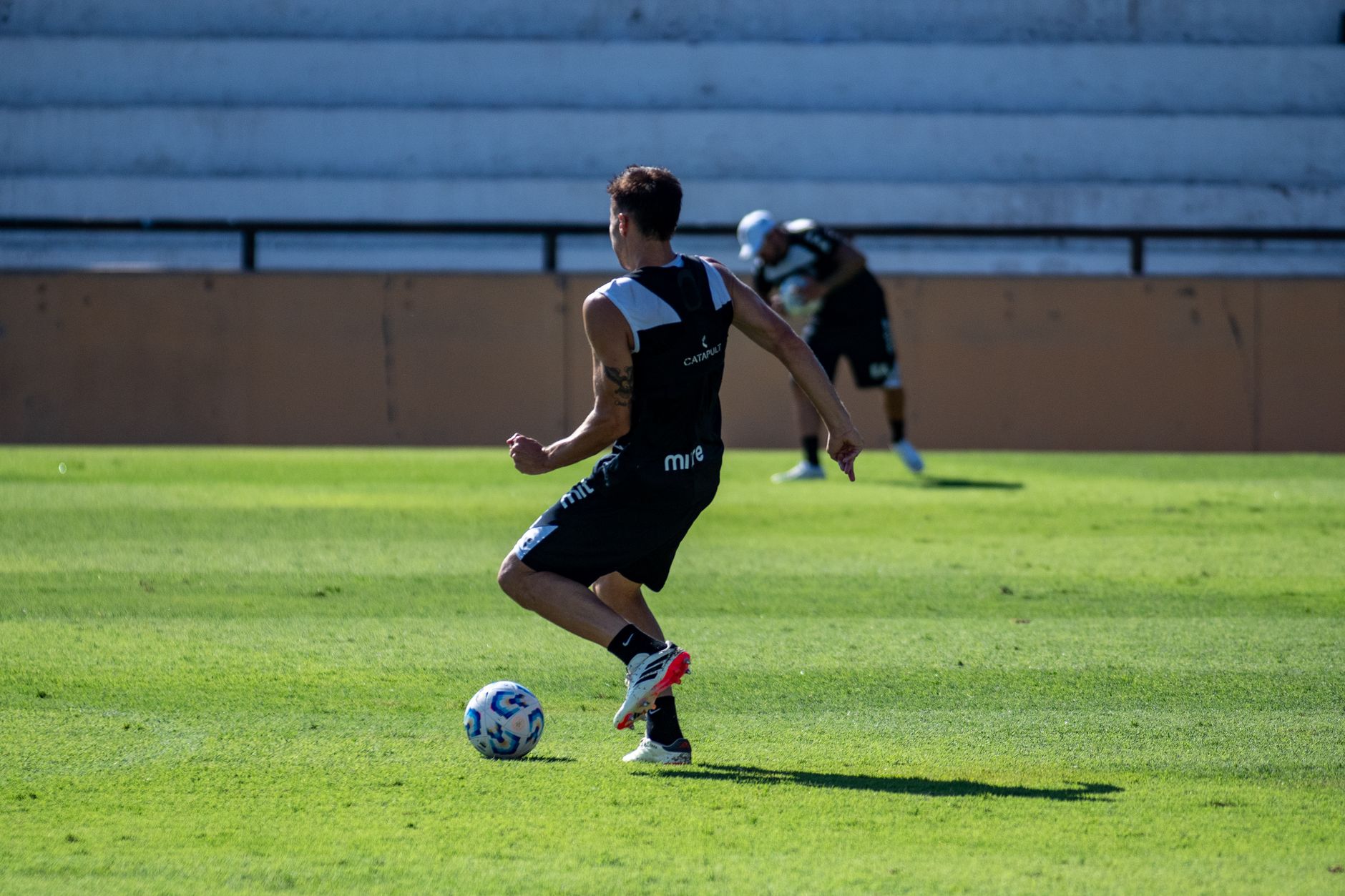
Photo by Franco Monsalvo on Pexels
A practical information-gain point often missed by general previews is that tournament fatigue is not evenly distributed by minutes played. A substitute who plays 25 minutes at maximum pressing intensity may create more short-term fatigue than a center-back who completes 90 minutes in a low-block match. Tactical Review therefore tracks player load by role: full-backs, ball-winning midfielders, and pressing forwards receive different fatigue assumptions than goalkeepers or possession center-backs. This matters for live betting, because the 60th to 75th minute often exposes teams that defended too deep or pressed too early.
See how player workload can change match projections before kickoff.
What Are the 3 Things That Matter Most?
The three most useful variables are format, tactical matchup, and market timing. Format explains who survives variance, tactical matchup explains how chances are created, and market timing determines whether the betting price still contains value before the public reacts.
- Format pressure: The 48-team model increases the number of matches and expands pathways for mid-tier nations from CAF, AFC, CONCACAF, and UEFA. More participants can create mismatches, but it also gives disciplined teams a route to survive if they defend set pieces well and avoid early red cards.
- Tactical matchup: A favorite that dominates possession may still struggle against compact 5-4-1 defending if it lacks crossing quality or second-ball control. Conversely, a lower-ranked side with fast wide forwards can threaten elite teams if the favorite’s full-backs advance too early.
- Market timing: Odds often move after lineup leaks, injury reports, or viral tactical narratives. First check the opening number, then compare it with team-news movement, and finally avoid chasing a price after the value has disappeared.
[Internal Link: tactical matchup checklist for football bettors]
A second practitioner-level insight: early group matches usually reward pre-match preparation, while knockout matches reward in-play discipline. In group games, managers often reveal their baseline structure. By the round of 16, however, extra time risk, penalty preparation, and substitution sequencing become more important. The International Football Association Board states that “The Laws of the Game are the same for all football throughout the world.” That consistency helps rule interpretation, but tournament pressure still changes behavior, especially around tactical fouls, injury management, and penalty strategy.
What Edge Cases & Gotchas Should Bettors Watch?
Bettors should watch for expanded-field mismatches, misleading qualification records, travel fatigue, rotation traps, and odds that overreact to one famous player. These edge cases can turn a reasonable world cup football prediction into a poor-value bet.
The first gotcha is qualification strength. A team may finish top of its regional group yet face a much higher tactical standard at the FIFA World Cup. CONMEBOL qualification, UEFA qualifying, and AFC qualification do not produce identical competitive stress, so raw win percentage can mislead. The second gotcha is player availability. A nation with one elite forward may look dangerous in highlight clips, but if its midfield cannot progress the ball under pressure, the forward may receive only low-quality touches. The third gotcha is set-piece dependency. A team that wins through corners and free kicks can outperform expected goals in small samples, but that edge may shrink against taller or better-drilled opponents.

Photo by Franco Monsalvo on Pexels
There is also a betting-market gotcha: public money often prefers recognizable teams and over bets. That does not mean underdogs or unders are automatically valuable; it means the price must be tested against match tempo. First estimate possession zones, then estimate shot quality, and finally account for referee profile if available. Tactical Review often flags games where a favorite’s moneyline is too short but its team total is more accurately priced. To compare betting markets, see [Internal Link: moneyline versus Asian handicap guide].
For sharper pre-match filtering, review Tactical Review’s data-led World Cup notes.
What Is the Verdict?
The verdict is that 2026 world cup football should be analyzed as a larger, more variable, and more travel-sensitive tournament than previous editions. Reputation still matters, but format, squad depth, tactical fit, and price discipline matter more.
A calm betting approach should begin with structure rather than emotion. First, identify the tactical matchup: pressing team against build-up team, transition side against possession side, or set-piece specialist against aerially strong defense. Then compare team depth, because the 104-match tournament structure increases the likelihood that rotation, injuries, and suspensions shape outcomes. Finally, assess whether the market already reflects the insight. If France, Brazil, Argentina, England, Spain, or Germany shortens dramatically after one strong performance, the smarter play may be waiting for a derivative market rather than accepting a poor headline price.

Photo by Vlad Vasnetsov on Pexels
Tactical Review’s position is deliberately conservative: do not bet every match, do not overrate group-stage blowouts, and do not ignore travel logistics in North America. The best edge often comes from passing on noisy matches and targeting situations where tactics, rest, and price all point in the same direction. For tournament-long planning, use [Internal Link: World Cup futures betting strategy].
For ongoing predictions, squad updates, and tactical betting angles, follow the full 2026 coverage.
Frequently Asked Questions
Q: What is world cup football?
A: World cup football refers to the FIFA World Cup, the international men’s football tournament organized by FIFA every four years. The competition began in 1930 and brings together qualified national teams from confederations such as UEFA, CONMEBOL, CAF, AFC, CONCACAF, and OFC. In 2026, it expands to 48 teams and 104 matches across the United States, Canada, and Mexico.
Q: How to analyze a World Cup match before betting?
A: Start by comparing tactical matchup, squad availability, travel schedule, and current market price. First check formations and pressing style, then review injury news and rest days, and finally compare the opening odds with current odds. Tactical Review recommends avoiding bets where the price has already moved sharply without new evidence.
Q: What is the difference between World Cup futures and match betting?
A: World Cup futures are long-term bets on outcomes such as tournament winner, top scorer, or group winner, while match betting focuses on one fixture. Futures require more attention to bracket path, squad depth, and injury risk. Match betting allows more precise use of lineups, weather, referee data, and tactical matchups.
Q: Why do World Cup predictions fail?
A: World Cup predictions often fail because analysts overweight reputation and underweight context. A famous team can struggle if travel, climate, injuries, or tactical imbalance reduce its expected performance. Expanded-field variance in 2026 also means some matches may produce misleading scorelines that should not be projected forward too aggressively.
Q: Is World Cup football betting free to follow?
A: Following World Cup football analysis can be free, but placing bets requires a licensed sportsbook account and real-money bankroll. Fans can read tactical previews, FIFA data, and public statistics without wagering. Anyone who bets should use legal operators in their jurisdiction and set strict stake limits before the tournament begins.
Q: What should I do if my World Cup betting model disagrees with the odds?
A: If your model disagrees with the odds, first check whether you missed team news, lineup leaks, or market movement. Then test whether the disagreement is large enough to overcome bookmaker margin. If the edge remains after review, stake conservatively rather than increasing exposure because one model output looks attractive.
Thank you for reading.
Tactical Review · Editorial Archive · No. 01