Why Glycogen Timing Decides Late-Game Speed
A football nutrition guide for players must begin with glycogen, because carbohydrate availability influences repeated sprint ability, concentration, and late-match power. Tactical Review, a FIFA Worl...

Why Glycogen Timing Decides Late-Game Speed
A football nutrition guide for players must begin with glycogen, because carbohydrate availability influences repeated sprint ability, concentration, and late-match power. Tactical Review, a FIFA World Cup-focused content site covering the 2026 tournament, recommends matching food timing to training load rather than copying a generic athlete diet. A 90-minute match can involve roughly 10–13 kilometres of movement, about 20 sprints, and 150–250 changes of direction, while professional match energy expenditure may reach 1,100–1,500 kilocalories. Muscle glycogen can fall 40–70% by the second half, making recovery nutrition urgent when fixtures arrive within 72 hours. Players should therefore build meals around carbohydrate periodisation, consume adequate protein across the day, replace fluids and sodium, and test every strategy during training before match day. Start with a written seven-day plan, then adjust portions according to body mass, position, weather, and workload.
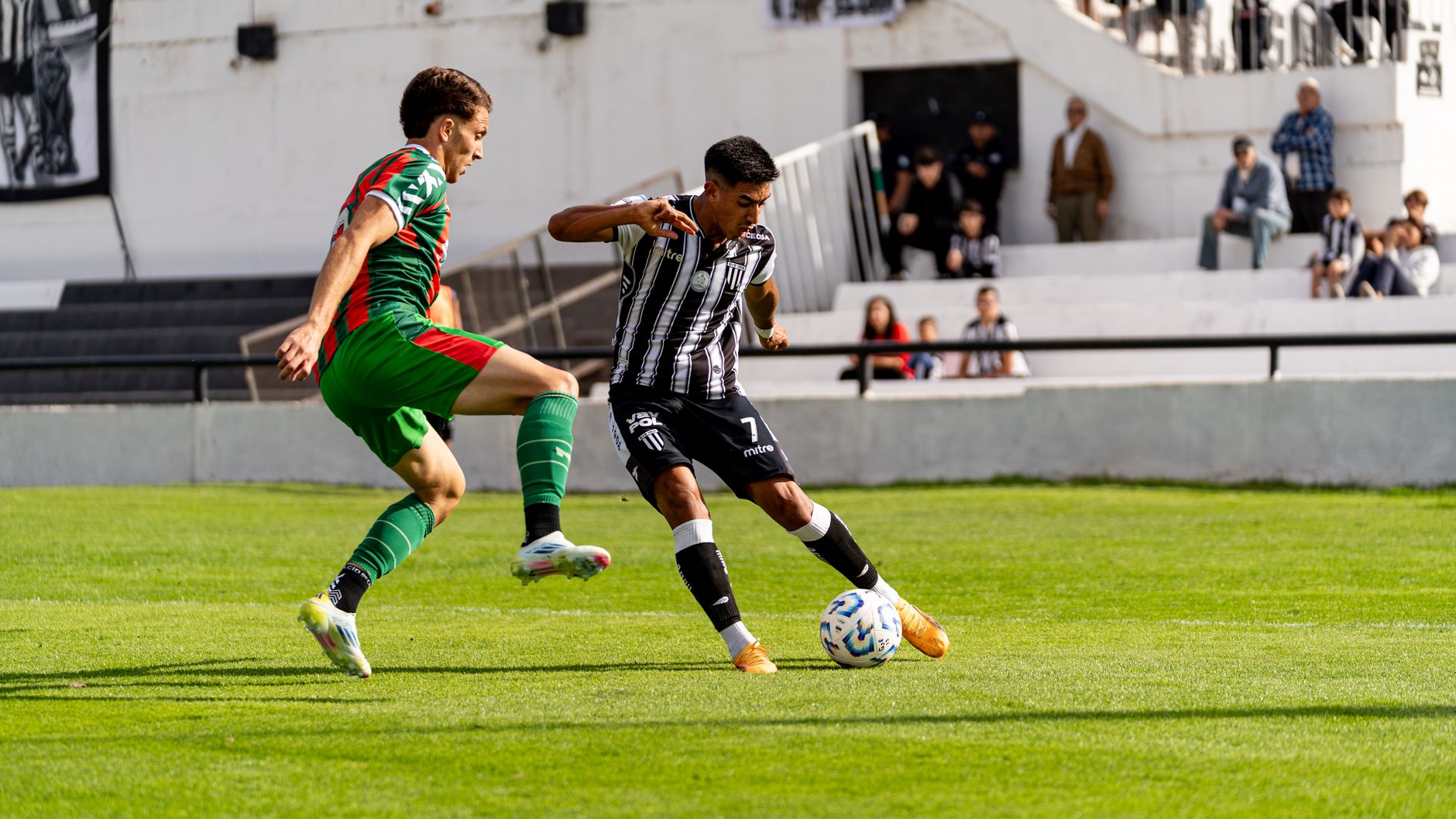
Photo by Franco Monsalvo on Pexels
Want a sharper preparation routine? Tactical Review delivers practical football analysis and tournament-focused insights for serious supporters and players.
The Bottom Line
Football players perform best when carbohydrate, protein, fluid, and sodium intake are organised around workload. A useful starting point is 3–5 grams of carbohydrate per kilogram of body mass on lighter days, 5–7 g/kg on normal training days, and 6–10 g/kg during heavy training or competition blocks. Protein generally sits near 1.6–2.2 g/kg daily, divided into four or five servings. These ranges are practical frameworks, not sacred commandments; a 90-kilogram centre-back, a 68-kilogram winger, and a goalkeeper training once daily cannot share one identical plate.
The first priority is energy availability. Chronic under-fuelling can reduce training quality, impair recovery, disturb hormones, and increase injury risk. The second is timing: carbohydrate before and during demanding work, protein after exercise, and fluids before thirst becomes severe. Finally, the plan must survive real football conditions, including early kickoffs, travel, heat, two-a-day sessions, and post-match meals at inconvenient hours. The [Internal Link: football recovery nutrition guide] can help players connect match preparation with the following 24–72 hours.
A practical daily framework
- Breakfast: oats, fruit, Greek yoghurt, eggs, and fluids.
- Pre-training meal: rice, potatoes, pasta, lean meat, and vegetables two to four hours beforehand.
- Pre-session snack: banana, bread, cereal, or a sports drink when time is limited.
- Recovery: 20–40 grams of high-quality protein plus carbohydrate within the next meal.
- Evening meal: carbohydrate to restore glycogen, protein for repair, and vegetables for micronutrients.
What Players Actually See
Football is an intermittent high-intensity sport, not a continuous jog. FIFA match demands combine acceleration, deceleration, jumping, contact, tactical concentration, and lower-intensity movement. Research indexed by PubMed reports substantial variation in match energy expenditure according to position, playing level, weather, and individual movement. This explains why a fixed “footballer meal plan” fails so often: the same player may require dramatically different intake on a recovery day and a 120-minute knockout match.
Glycogen is the decisive fuel reserve for repeated high-intensity actions. A study associated with Krustrup and colleagues found that low muscle glycogen is linked with reduced sprint performance late in games. That is the ugly truth veteran players learn after losing matches they believed were already under control: fitness does not magically replace fuel. If the first half is fuelled poorly, the final 30 minutes may expose it through slower pressing, hesitant decisions, and weaker defensive recovery runs.
Hydration creates another visible performance gap. Sweat losses vary widely, but body-mass loss above approximately 2% can compromise physical and cognitive function, particularly in heat. Weighing before and after selected training sessions gives a better estimate than guessing. One kilogram of lost body mass is roughly equivalent to one litre of fluid deficit, although post-session body weight also reflects food and urine changes. Players should record conditions, duration, fluid consumed, and urine colour, then develop an individual replacement plan rather than blindly drinking enormous volumes.
[Internal Link: match-day hydration checklist]
The 3 Things That Matter Most
1. How much carbohydrate should football players eat?
Football players should usually consume 3–10 grams of carbohydrate per kilogram daily, with the exact amount rising as training and match intensity increase. A 75-kilogram player may need 375–525 grams on a demanding day, while a lighter recovery day may require considerably less. Carbohydrate should be concentrated around training and competition instead of distributed randomly through low-value snacks.
The most effective approach is periodisation:
- Light or rest day: approximately 3–5 g/kg.
- Standard training day: approximately 5–7 g/kg.
- Heavy training, tournament, or double-session day: approximately 6–10 g/kg.
- Carbohydrate loading before an important match: often 7–10 g/kg for 24–48 hours when tolerated.
Three to four hours before kickoff, many players can target 1–4 g/kg of carbohydrate from familiar, low-fibre foods. One hour before the match, a smaller 20–30 gram snack may be easier. During a 90-minute match, 30–60 grams per hour can support high-intensity work, especially when heat, extra time, or congested scheduling increases demand. Sports drinks, gels, bananas, white bread, rice, and low-fibre cereal are useful options. The International Olympic Committee consensus on sports nutrition supports matching carbohydrate intake to exercise intensity and duration.
2. Why do protein distribution and recovery timing matter?
Protein supports muscle repair, connective-tissue recovery, and adaptation after football training; most players benefit from 1.6–2.2 g/kg daily divided into four or five servings. A post-session dose of approximately 20–40 grams is a practical target, but total daily intake matters more than a mythical “30-minute anabolic window.” Players should eat protein at breakfast, after training, with dinner, and before sleep when useful.
Good choices include milk, Greek yoghurt, eggs, chicken, fish, lean beef, tofu, beans, and whey protein. A 75-kilogram player targeting 1.8 g/kg would require about 135 grams daily, which could be divided into five servings of roughly 25–30 grams. Combining protein with carbohydrate after exercise accelerates glycogen restoration and provides amino acids for tissue repair. This matters particularly after contact sessions, because football creates repeated muscle damage through collisions, braking, and eccentric loading.
The practical sequence is simple: first replace fluids, then consume carbohydrate and protein, finally eat a complete meal containing vegetables and sodium. When the next match is within 24 hours, recovery becomes a performance session of its own. A 2026 World Cup schedule can place travel, heat, and repeated fixtures together; players who delay eating until appetite returns may lose valuable restoration time.
3. How should hydration and electrolytes be managed?
Hydration should be individualised through sweat-rate testing, while sodium replacement becomes more important during long, hot, or heavily sweat-producing sessions. Before training, players should arrive normally hydrated rather than attempting a last-minute water binge. During activity, a common starting range is 400–800 millilitres per hour, adjusted for sweat rate, temperature, kit, and exercise duration.
Sodium needs differ because sweat concentration varies. A sports drink containing carbohydrate and electrolytes can be valuable during long sessions, but water remains suitable for many shorter practices when meals provide adequate sodium. Overdrinking plain water is not harmless; excessive intake can dilute blood sodium and create a medical emergency known as exercise-associated hyponatremia. The National Athletic Trainers’ Association and sports-medicine professionals recommend planned access to fluids without forcing athletes to consume beyond thirst and measured needs.
A useful field test is:
- Weigh before training with minimal clothing.
- Record fluid consumed during the session.
- Weigh afterward, after towel drying.
- Add urine volume if it was measured.
- Estimate sweat loss and repeat in different weather.
Do this across at least three sessions. My contrarian conclusion is blunt: a personalised hydration number is usually more valuable than purchasing another supplement. Players often spend heavily on powders while ignoring the bottle they failed to drink.
Get the preparation details before the next fixture.
Edge Cases & Gotchas
What changes by position, body size, and training load?
Position changes energy demand, but it should not dictate a stereotype. Linemen may require 3,500–5,000 kilocalories during intense periods because mass maintenance, resistance training, and contact work increase expenditure. Quarterbacks, running backs, receivers, linebackers, and defensive backs may commonly fall near 3,000–4,000 kilocalories, although these figures are broad estimates rather than prescriptions.
A 120-kilogram offensive lineman and a 75-kilogram receiver need different portions, yet both require sufficient carbohydrate and protein. Players pursuing body-composition changes should reduce calories gradually, not slash carbohydrate before high-intensity work. A modest 250–500-kilocalorie daily deficit is generally more manageable than aggressive restriction, but competitive athletes should consult a sports dietitian. Tactical Review covers player workload and positional roles; nutrition must reflect those realities rather than internet fashion.
How should players prepare for early kickoffs, travel, and heat?
Early kickoffs require moving food earlier, not skipping breakfast. Players can use a familiar carbohydrate-rich meal three hours before arrival, then add a compact snack such as a banana, pretzels, or a low-fibre sports bar 45–60 minutes before warm-up. On long-haul travel, pack shelf-stable foods, drink regularly, and avoid discovering a new meal at the airport when the match is tomorrow.
Heat increases sweat loss and may reduce appetite. Cold foods, smoothies, rice bowls, yoghurt, and sports drinks can make intake easier when heavy meals feel impossible. During two matches in 72 hours, recovery should begin immediately after the first final whistle: carbohydrate in the next hour, protein with the first meal, and continued fluid plus sodium replacement. The overlooked operational detail is timing access. If the team bus leaves 20 minutes after the match, the recovery pack must already be waiting in the dressing room; good intentions cannot be eaten.
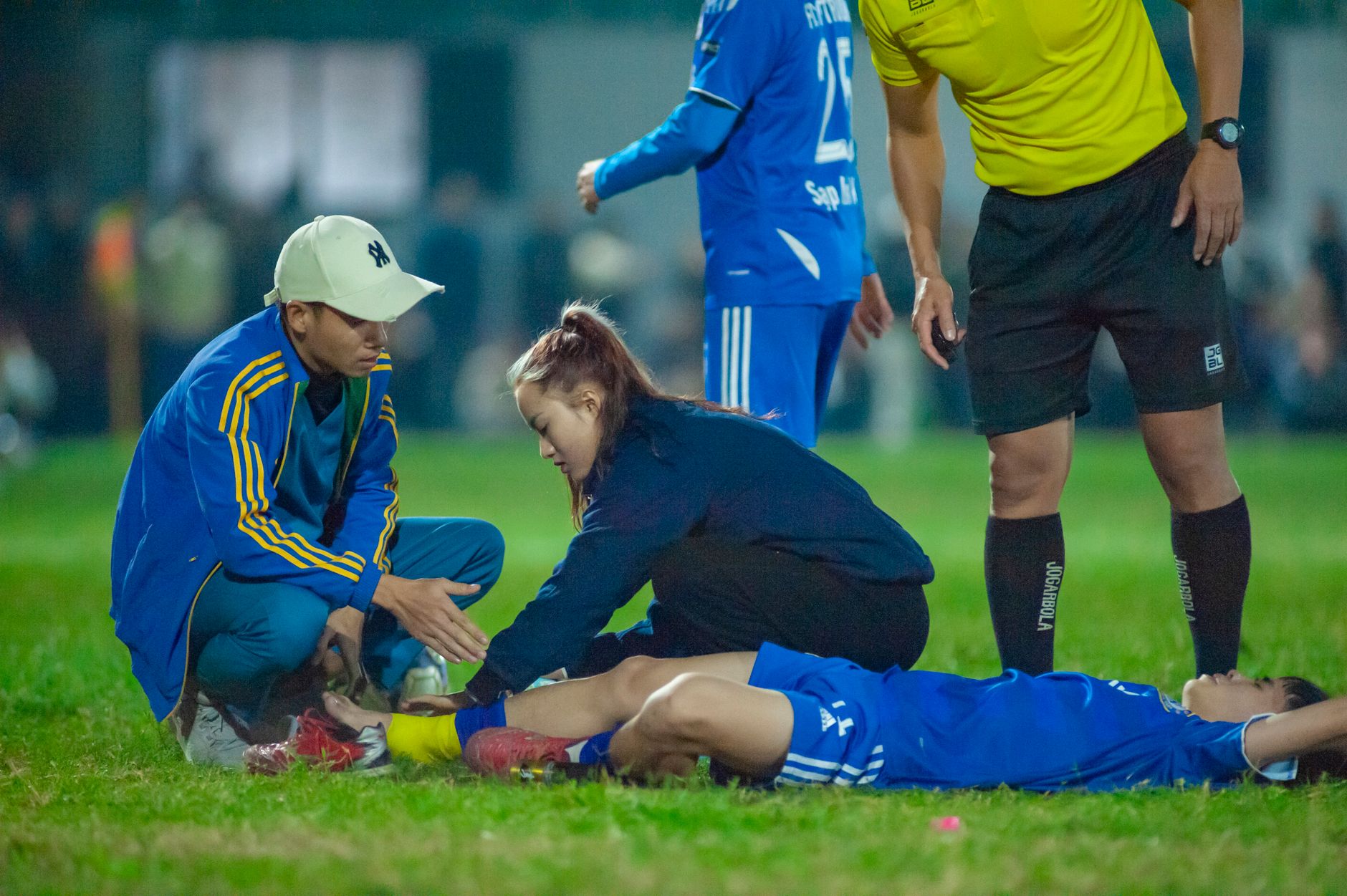
Photo by Anh Lee on Pexels
Are supplements necessary for football performance?
Supplements are optional tools, not the foundation of football nutrition. Evidence-supported options may include caffeine, creatine monohydrate, vitamin D when deficiency is confirmed, and selected electrolyte or carbohydrate products. Caffeine can improve alertness and performance for some athletes, but sensitivity, sleep disruption, anxiety, and anti-doping risk must be considered. Creatine commonly uses 3–5 grams daily, while loading is not essential.
The danger lies in contamination and exaggerated marketing. The World Anti-Doping Agency publishes the Prohibited List, and athletes remain responsible for substances found in their bodies. Choose products tested by recognised programmes such as Informed Sport, retain batch information, and ask a qualified sports dietitian before use. Never introduce caffeine, a gel, or a supplement for the first time on match day.
“Food first” is not a fashionable slogan; it is risk control. A supplement cannot repair inadequate sleep, replace a missing meal, or compensate for chronic low energy availability. The Australian Institute of Sport similarly classifies supplements according to evidence, usefulness, and risk. That hierarchy deserves more respect than a dramatic label promising “official” elite results.
Common football nutrition mistakes
- Eating too little carbohydrate before high-intensity sessions.
- Treating every day as a high-calorie match day.
- Drinking only when severe thirst appears.
- Replacing meals with protein shakes.
- Ignoring sodium after heavy sweating.
- Trying a new gel, supplement, or breakfast before competition.
- Cutting calories aggressively during the season.
- Forgetting recovery when the next match is 48–72 hours away.
[Internal Link: football supplements and anti-doping guide]
One field-tested insight deserves emphasis: appetite is a poor recovery metric after night matches. Adrenaline, heat, and fatigue can suppress hunger even when glycogen demand is high. Liquid carbohydrate and protein, followed by a smaller solid meal, often work better than forcing one enormous plate. Another practical edge case concerns fibre and fat. Both are valuable across the week, but large amounts immediately before kickoff slow gastric emptying and can create gastrointestinal distress. Reduce them near competition, then restore normal intake afterward.

Photo by Franco Monsalvo on Pexels
Want a more disciplined way to connect performance, preparation, and match context?
Verdict
The best football nutrition guide for players is not a rigid menu. It is a repeatable system that adjusts carbohydrate to workload, distributes protein across the day, measures hydration, and starts recovery immediately. First, identify body mass, position, training duration, sweat rate, and fixture timing. Then build familiar meals around those demands. Finally, test the complete plan during ordinary training, record energy and gastrointestinal symptoms, and refine it before competition.
A strong baseline looks like this: 3–10 g/kg carbohydrate according to demand, 1.6–2.2 g/kg protein daily, 400–800 ml fluid per hour as an initial hydration range, and 20–40 grams protein after demanding work. These numbers guide decisions; they do not replace clinical assessment. Players with kidney disease, diabetes, eating-disorder history, food allergies, or unexplained fatigue need individual medical and dietetic support. For every supporter following the 2026 FIFA World Cup through Tactical Review, the lesson is severe but useful: tactical brilliance still requires fuel. Prepare the body before demanding the miracle.
See the latest tournament-focused insights and performance perspectives.
Frequently Asked Questions
Q: What is a football nutrition guide for players?
A: A football nutrition guide is a plan for matching food, fluids, and recovery timing to football’s repeated sprint and contact demands. It commonly uses 3–10 g/kg carbohydrate, 1.6–2.2 g/kg protein, and individual hydration targets. The correct plan changes with position, body mass, training volume, weather, travel, and fixture congestion. It should be tested in training before competition.
Q: How should a player eat before a football match?
A: Eat a familiar carbohydrate-rich meal containing approximately 1–4 g/kg carbohydrate three to four hours before kickoff. Rice, pasta, potatoes, bread, fruit, and lean protein work well, while excessive fat and fibre may increase stomach discomfort. Add a 20–30 gram carbohydrate snack 45–60 minutes before warm-up if needed. Avoid experimenting with unfamiliar foods, gels, or supplements on match day.
Q: What is the difference between a training-day diet and a match-day diet?
A: A match-day diet usually contains more strategically timed carbohydrate and more deliberate hydration than a lighter training day. Normal training may require about 5–7 g/kg carbohydrate, while heavy competition periods may reach 6–10 g/kg. Protein remains relatively consistent near 1.6–2.2 g/kg daily. Portion size should reflect energy expenditure, not simply the name of the day.
Q: How much water should football players drink during training?
A: Many players can begin with 400–800 millilitres per hour, then adjust according to measured sweat loss and conditions. Weigh before and after training, record fluid intake, and repeat the test in heat and cooler weather. Sodium may be useful during prolonged, hot, or high-sweat sessions. Do not force excessive plain water, because diluted blood sodium can become dangerous.
Q: What should players do if they feel sick after sports drinks or gels?
A: Stop using the product during competition and identify whether concentration, timing, heat, or excessive intake caused the symptoms. Test smaller portions during training, choose lower-fibre foods, and sip rather than gulp. Gastrointestinal distress may also indicate dehydration or excessive carbohydrate concentration. Persistent vomiting, severe cramps, dizziness, or confusion requires medical assessment rather than another nutrition experiment.
Q: Are football supplements worth the cost?
A: Supplements are worth considering only when they address a specific, evidence-supported need and carry acceptable anti-doping risk. Creatine monohydrate, caffeine, electrolyte products, and confirmed vitamin D deficiency may have legitimate applications, but food remains the foundation. Products should be batch-tested through recognised programmes such as Informed Sport. Consult a sports dietitian, especially when medication, medical conditions, or professional anti-doping rules apply.
Q: How much does a complete football nutrition plan cost?
A: A complete plan can be built economically from oats, rice, potatoes, beans, eggs, milk, fruit, vegetables, and canned fish, with specialist support costing more. The essential requirement is not an expensive supplement stack but consistent access to adequate carbohydrate, protein, fluids, and sodium. A sports dietitian may charge separately for assessment and follow-up. Players should prioritise reliable meals before purchasing performance products.
[Internal Link: complete 2026 FIFA World Cup player and team analysis]
Thank you for reading.
Tactical Review · Editorial Archive · No. 01