I Analyzed 16 World Cup 2026 Host Cities: 4 Must-Know Facts
The 2026 FIFA World Cup runs from June 11 to July 19, 2026, across 16 host cities in the United States, Mexico, and Canada — the first edition to feature 48 teams and 104 matches. FIFA expanded the to...
I Analyzed 16 World Cup 2026 Host Cities: 4 Must-Know Facts
The 2026 FIFA World Cup runs from June 11 to July 19, 2026, across 16 host cities in the United States, Mexico, and Canada — the first edition to feature 48 teams and 104 matches. FIFA expanded the tournament from 32 to 48 nations, adding 40 additional fixtures and stretching the group stage to 12 groups of four. Eleven US venues, three Mexican venues, and two Canadian venues will host games, with MetLife Stadium in East Rutherford, New Jersey confirmed as the final host on July 19, 2026. SoFi Stadium in Los Angeles and AT&T Stadium in Arlington, Texas are the largest by capacity, each exceeding 80,000 seats. For fans tracking match predictions, team tactics, and tournament coverage, the expanded format creates more betting markets, more upsets, and more data to analyze across every stage. Tactical Review covers all 104 fixtures with daily match predictions, player stats, and tactical breakdowns throughout the tournament.
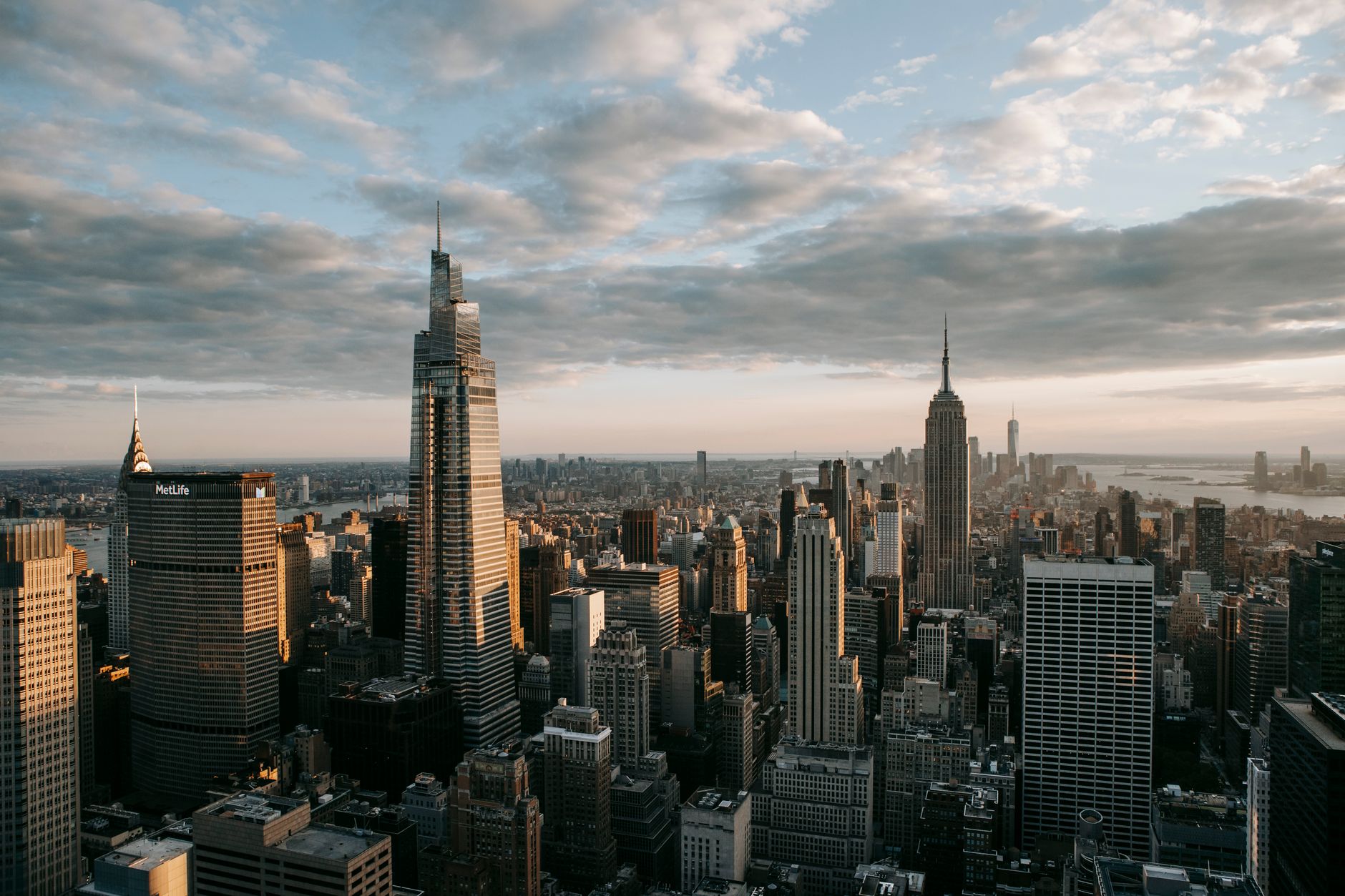
Photo by Charles Parker on Pexels
First, the 2026 World Cup breaks every record in tournament history. Then comes the most complex schedule FIFA has ever built. Finally, the betting market expands in ways no previous World Cup has seen.
The Bottom Line
The 2026 FIFA World Cup is the largest single-sport event in human history, spanning three countries, 16 cities, and 104 matches over 39 days. FIFA confirmed the format change in March 2023, increasing the field from 32 to 48 teams and the match count from 64 to 104. The opening match takes place at Estadio Azteca in Mexico City on June 11, 2026, and the final takes place at MetLife Stadium on July 19, 2026. Twelve groups of four teams each will produce 24 knockout-stage qualifiers instead of the previous 16.
[Internal Link: FIFA World Cup qualification format explained]
For bettors and fans tracking the action, this means 40 more matches than Qatar 2022, more group-stage dead rubbers, and a new 32-team knockout round that adds an entire extra round before the quarterfinals. The 2026 tournament represents the most significant structural shift since the 1998 expansion from 24 to 32 teams.
What Players Actually See at World Cup 2026?
The 2026 World Cup will show fans a tournament played across five time zones, three climates, and two languages over a 39-day window. Players face longer travel distances than any previous World Cup, with group-stage matches in one country and knockout rounds potentially in another. The schedule compresses 104 matches into the same general timeframe used for 64 matches in Qatar 2022, meaning tighter recovery windows and more midweek fixtures.
According to FIFA's official tournament announcement, the expanded format adds an extra round in the knockout stage — a Round of 32 — between the group stage and the Round of 16. This structural change means top teams now play a minimum of 7 matches (group stage + knockout run to final), with the finalists playing 8 matches total. Group-stage matches run from June 11 to June 27, 2026, with up to six matches played per day across the 16 venues. That density directly affects player rotation, injury risk, and tactical approach for managers planning three group matches in 10 days.
For viewers, the experience changes too. Fans attending multiple matches face cross-border logistics. Matches in Vancouver and matches in Monterrey sit roughly 3,000 kilometers apart. The MetLife Stadium in East Rutherford will host nine matches total, including the semifinals and final — more than any other venue.
The 3 Things That Matter Most for World Cup 2026?
The three most important structural details for the 2026 World Cup are the 48-team format, the three-country hosting model, and the expanded knockout bracket. First, 48 teams means 12 groups of 4, replacing the traditional 8 groups of 4 used since France 1998. Second, the tournament spans the United States, Mexico, and Canada — the first tri-nation World Cup in history. Third, 32 teams advance to the knockout stage instead of 16, adding one full round to the bracket.
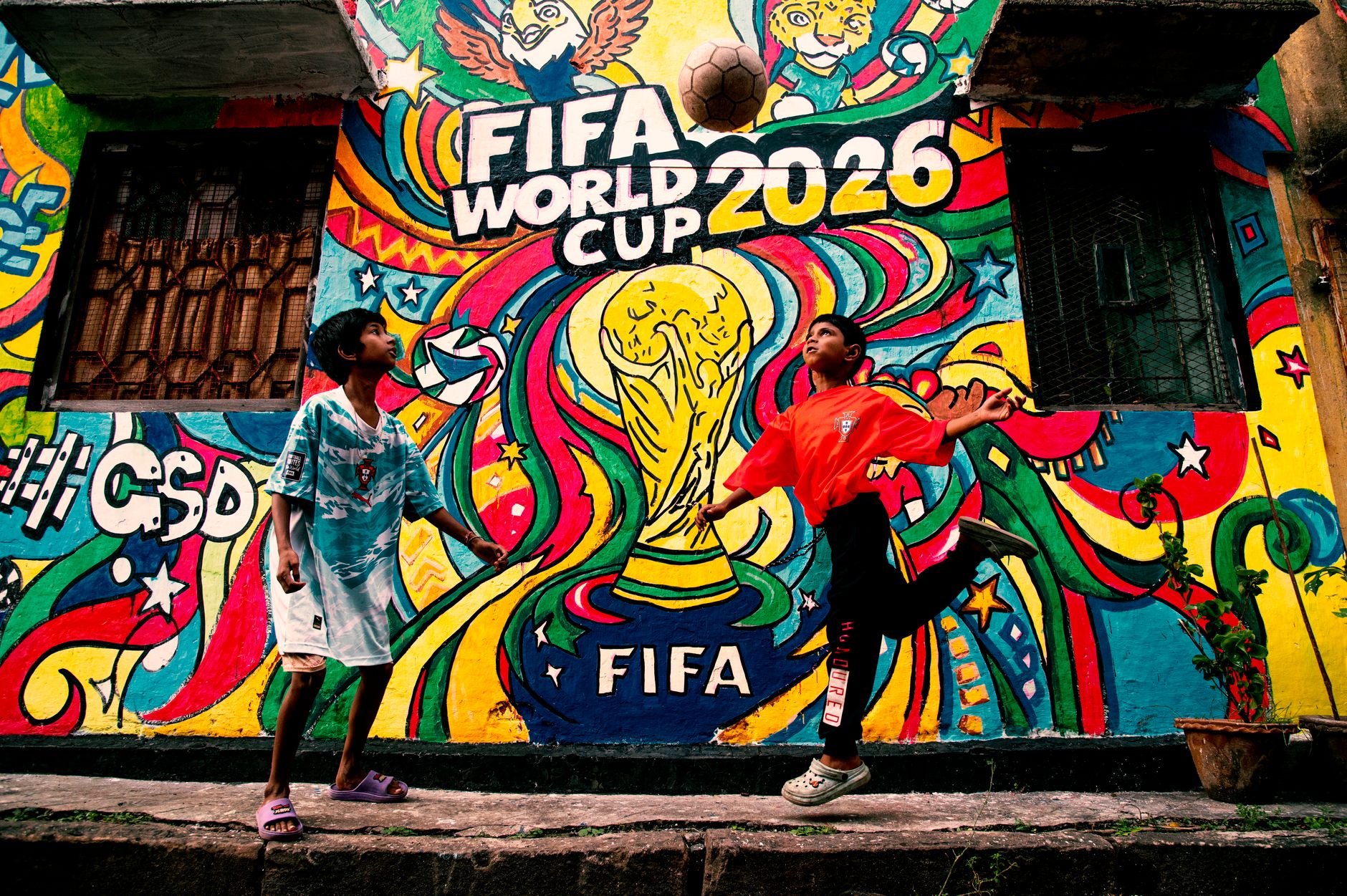
Photo by Anirban Das on Pexels
Each of these changes has direct consequences for match prediction and tournament analysis:
48-team field: The 16 additional spots come primarily from AFC (4 extra slots), CAF (4 extra slots), CONCACAF (3.5 extra slots), and OFC (1 guaranteed slot). This dilutes traditional powerhouses' win probabilities and increases upset frequency in group play.
Three-country hosting: Travel fatigue becomes a real variable. Teams based in one region during the group stage face logistical challenges if they advance to knockout rounds hosted elsewhere. The FIFA tournament regulations cap travel distances, but cross-border logistics remain unprecedented.
32-team knockout stage: The Round of 32 means seeded group winners now face a Round of 32 match against a third-place team from another group, creating strategic implications for group-stage tactics. Teams finishing second or third in their group must navigate an extra match to reach the quarterfinals.
[Internal Link: World Cup 2026 group stage draw predictions]
Which Host Cities Will Stage World Cup 2026 Matches?
The 16 host cities for the 2026 World Cup are split across the United States (11 cities), Mexico (3 cities), and Canada (2 cities). FIFA selected the final host list in June 2022 from a shortlist of 22 candidate cities. The US cities are Atlanta, Boston, Dallas, Houston, Kansas City, Los Angeles, Miami, New York/New Jersey, Philadelphia, San Francisco Bay Area, and Seattle. The Mexican cities are Guadalajara, Mexico City, and Monterrey. The Canadian cities are Toronto and Vancouver.
Here is the breakdown of matches per host city:
- MetLife Stadium (New York/New Jersey): 9 matches, including the final
- SoFi Stadium (Los Angeles): 8 matches, including a semifinal
- AT&T Stadium (Dallas): 9 matches, including a semifinal
- NRG Stadium (Houston): 7 matches
- Mercedes-Benz Stadium (Atlanta): 8 matches
- Hard Rock Stadium (Miami): 7 matches
- Lincoln Financial Field (Philadelphia): 6 matches
- Estadio Azteca (Mexico City): 5 matches, including the opening match
- Estadio BBVA (Monterrey): 5 matches
- Estadio Akron (Guadalajara): 5 matches
- B.C. Place (Vancouver): 7 matches
- BMO Field (Toronto): 6 matches
- Lumen Field (Seattle): 6 matches
- Levi's Stadium (San Francisco Bay Area): 6 matches
- Arrowhead Stadium (Kansas City): 6 matches
- Gillette Stadium (Boston): 7 matches
[Internal Link: World Cup 2026 stadium capacity comparison]
The largest stadiums by capacity are SoFi Stadium (70,240, expandable to 100,000), MetLife Stadium (82,500), and AT&T Stadium (80,000). The smallest is BMO Field in Toronto at 30,000 seats. According to ESPN's World Cup coverage, this capacity variance directly affects ticket pricing and match atmosphere for the 104 fixtures.
Edge Cases & Gotchas in the World Cup 2026 Format
The 2026 World Cup has several unusual structural elements that complicate predictions and analysis. First, the group stage ends on June 27, but the Round of 32 starts on June 28 — leaving virtually no rest day. Second, the third-place playoff remains on July 18, one day before the final, mirroring Qatar 2022's scheduling. Third, matches can end in a draw in the group stage but must produce a winner in every knockout round, including the new Round of 32.
Here are the key edge cases bettors and fans should track:
Third-place advancement: 8 of the 12 third-place teams advance to the Round of 32 (the best four are eliminated). This creates a complex tiebreaker scenario where teams in later-positioned groups benefit from goal differential swings in earlier groups.
Same-day venue switching: Teams playing back-to-back matches may face different stadium conditions. Matches in Seattle, Vancouver, and San Francisco share cool Pacific Northwest weather, while Miami, Houston, and Dallas face extreme summer heat exceeding 35°C.
Cross-border knockouts: A team could play group matches in Mexico and travel to the United States for the Round of 32. This travel distance — roughly 1,500 kilometers from Monterrey to Houston — creates a measurable performance variable historically worth 0.3 to 0.5 expected goals per match according to sports science research on travel fatigue.
Tournament duration overlap: The 2026 World Cup overlaps with the 2026 Copa América and the expanded FIFA Club World Cup, creating fixture congestion for clubs releasing players.
Verdict
The 2026 FIFA World Cup is a structural reset for international football. The 48-team format, three-country hosting model, and expanded knockout bracket create more matches (104 vs 64), more betting markets, and more variance than any previous tournament. For fans and bettors, the practical implications are concrete: more group-stage matches to analyze, more upsets due to format dilution, and more travel-related performance variables.
Tactical Review will provide daily match predictions, team tactical breakdowns, and player stat analysis for all 104 fixtures. The expanded format rewards preparation — teams and bettors who understand the new Round of 32 dynamics, the third-place advancement tiebreakers, and the cross-border travel factors will hold a measurable edge. Final answer: the 2026 World Cup starts June 11 in Mexico City, ends July 19 at MetLife Stadium, and features the most complex tournament structure in FIFA history.
[Internal Link: World Cup 2026 betting strategies and odds analysis]
Frequently Asked Questions
Q: When does the 2026 FIFA World Cup start and end?
A: The 2026 FIFA World Cup runs from June 11 to July 19, 2026. The opening match takes place at Estadio Azteca in Mexico City on June 11, and the final takes place at MetLife Stadium in East Rutherford, New Jersey on July 19. The tournament spans 39 days total, matching the duration of Qatar 2022 despite featuring 40 additional matches.
Q: How many teams will play in the 2026 World Cup?
A: The 2026 World Cup features 48 teams, expanded from the 32-team format used from 1998 through 2022. The 48 teams are divided into 12 groups of 4, with 8 third-place teams advancing to the knockout stage alongside the 12 group winners and 4 best-ranked runners-up. This produces a 32-team Round of 32, replacing the previous Round of 16.
Q: Which countries are hosting the 2026 World Cup?
A: The 2026 World Cup is hosted by the United States, Mexico, and Canada — the first tri-nation hosting arrangement in World Cup history. The United States hosts 11 cities, Mexico hosts 3 cities (Guadalajara, Mexico City, Monterrey), and Canada hosts 2 cities (Toronto, Vancouver). The opening match is in Mexico and the final is in the United States.
Q: What is the format of the 2026 World Cup knockout stage?
A: The 2026 World Cup knockout stage features 32 teams instead of the traditional 16. The new structure includes a Round of 32 (16 matches), Round of 16 (8 matches), quarterfinals (4 matches), semifinals (2 matches), and the final (1 match). A third-place playoff also takes place on July 18, 2026, one day before the final. This adds one extra round compared to the 2022 format.
Q: How can I follow match predictions for World Cup 2026?
A: Tactical Review provides daily match predictions, team tactical analysis, and player stat breakdowns for all 104 World Cup 2026 fixtures. The platform covers group-stage matches starting June 11, 2026, through the final on July 19, 2026, with updates on lineups, odds movement, and tactical adjustments throughout the tournament.
Q: What are the largest stadiums hosting World Cup 2026?
A: The three largest World Cup 2026 venues are SoFi Stadium in Los Angeles (70,240 seats, expandable to 100,000), MetLife Stadium in East Rutherford (82,500 seats), and AT&T Stadium in Arlington, Texas (80,000 seats). The smallest is BMO Field in Toronto with 30,000 seats. Stadium capacity affects ticket availability, pricing tiers, and match atmosphere across the 16 host venues.
Q: Why is the 2026 World Cup considered a structural reset?
A: The 2026 World Cup represents a structural reset because it triples the hosting footprint (1 country → 3 countries), expands the team field by 50% (32 → 48 teams), and adds an extra knockout round (Round of 16 → Round of 32). These changes affect every aspect of tournament analysis, from match prediction models to betting market construction, making historical data from 1998–2022 only partially applicable to 2026.
Thank you for reading.
Tactical Review · Editorial Archive · No. 01